Nov 12, 2026
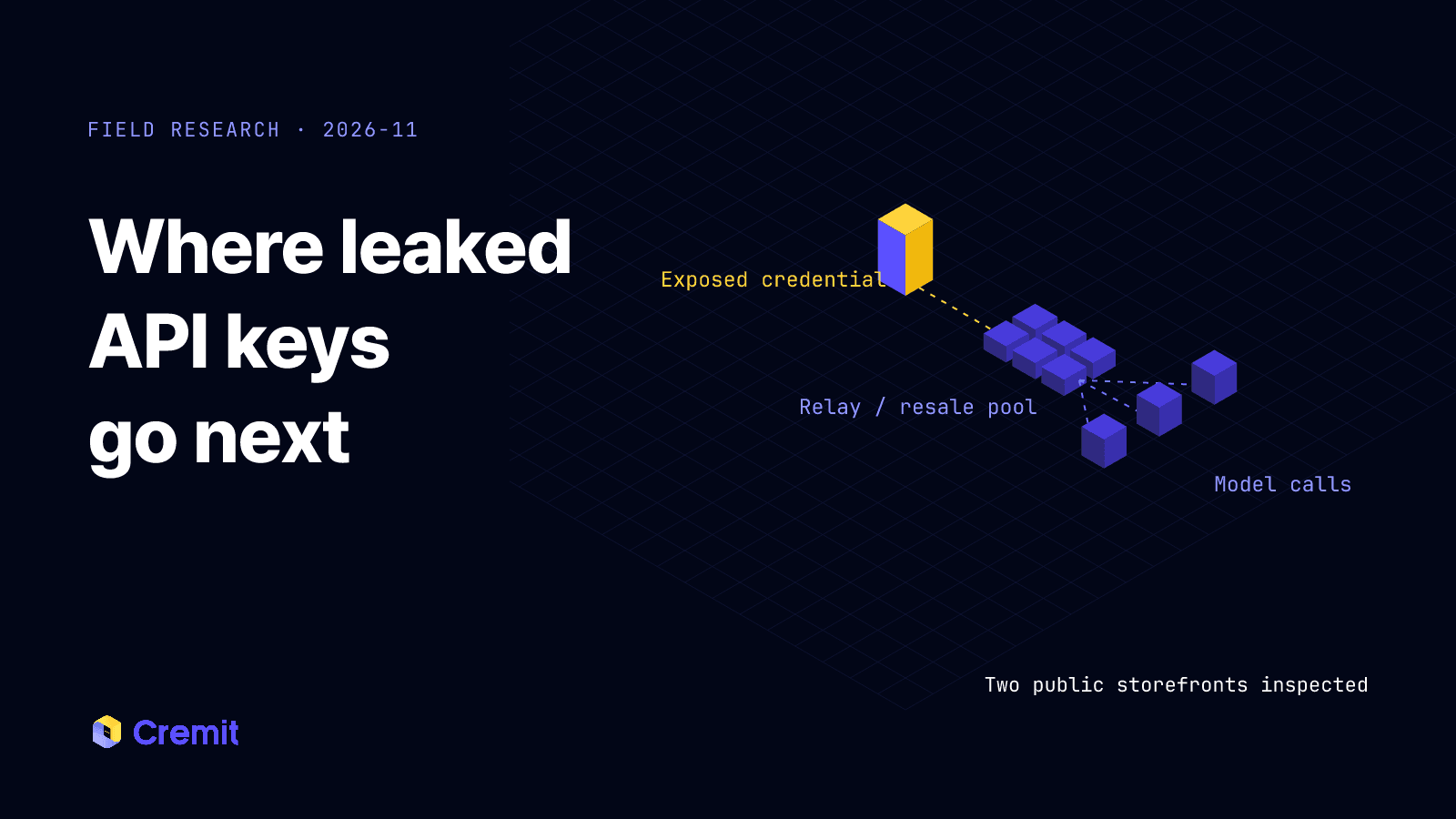
Where Leaked API Keys Go
We inspected two public AI-access storefronts and compared the offers with hacking-forum ads and incident reports. Follow credential resale, evidence of abuse and the response work supported by Cremit.

Ben Kim
Analysis of security breaches and cyber attacks
We inspected two public AI-access storefronts and compared the offers with hacking-forum ads and incident reports. Follow credential resale, evidence of abuse and the response work supported by Cremit.
An attacker accessed the internal systems of PingCAP, the company behind TiDB, from September 9 to October 7. The attacker used a stolen GitHub account to find cloud keys and a Jira token in code, then used AWS keys customers had shared in support tickets to reach S3 buckets holding their diagnostic data. We separate confirmed facts from the attacker's claims and list what users and other teams should do.
On October 21, LiteLLM's own release pipeline published a credential-stealing 1.107.0 to PyPI and Docker. It started with an admin key committed to a public repository on May 27, deleted three hours later and never revoked. The attack path, what the build collected, what users should do, and what every team should check.
Zeabur, a Taiwanese PaaS, is shutting down on December 31 after two breaches in two months. The October attacker used plaintext admin tokens and AWS keys that were never rotated after August to reach shared clusters in nine regions and the platform database. We separate what is confirmed from what is still a hypothesis, list what users should do, and turn the root causes into a checklist for other teams.
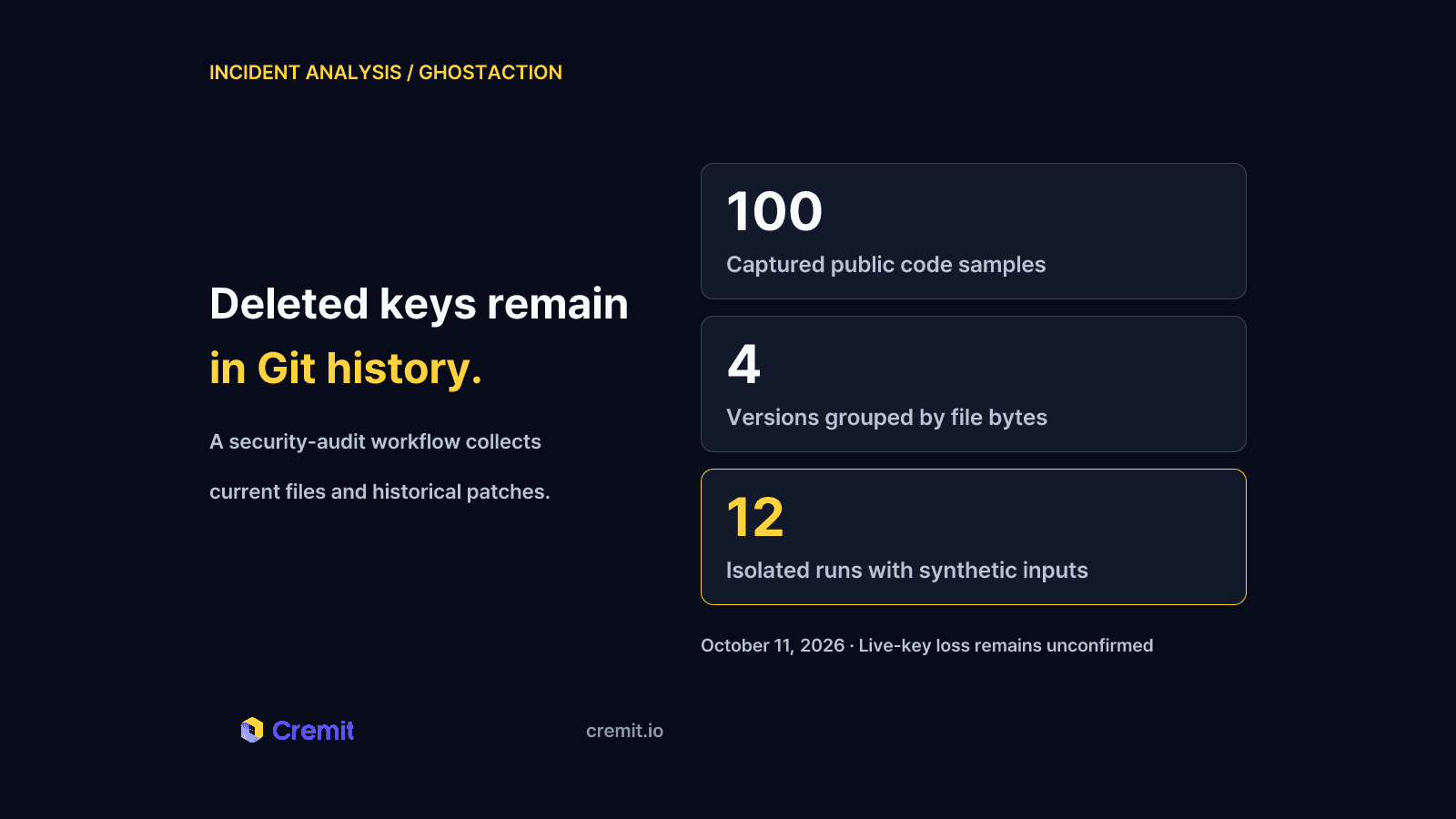
A review of 100 public workflow samples and Uber repository events shows four collector versions. We examine deleted-key collection through Git patches, successful exits after transfer failure, and credential-based response priorities.
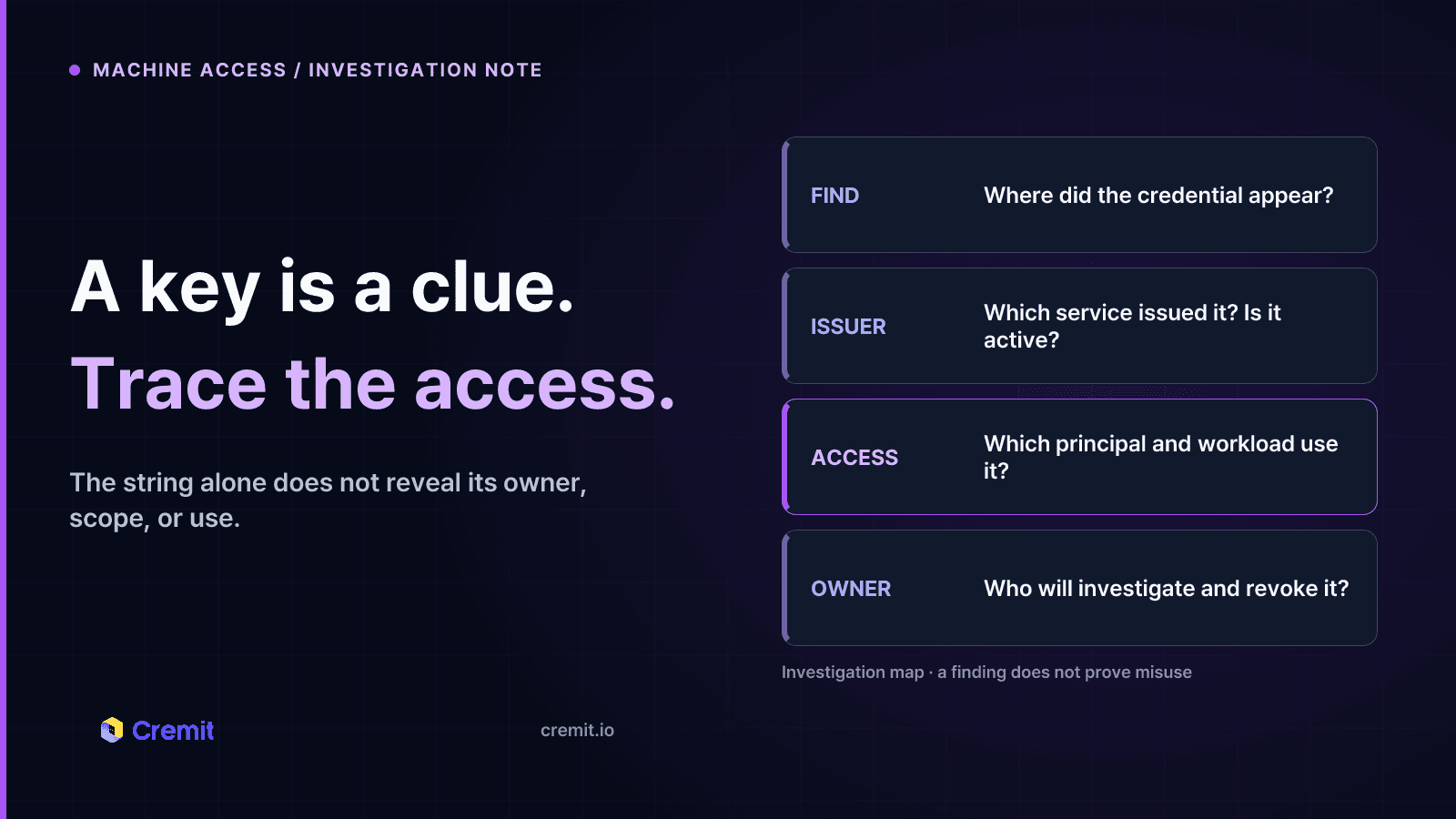
An exposed key is a lead. Connect it to its issuer, principal, permissions, workload, and owner before closing the access path.
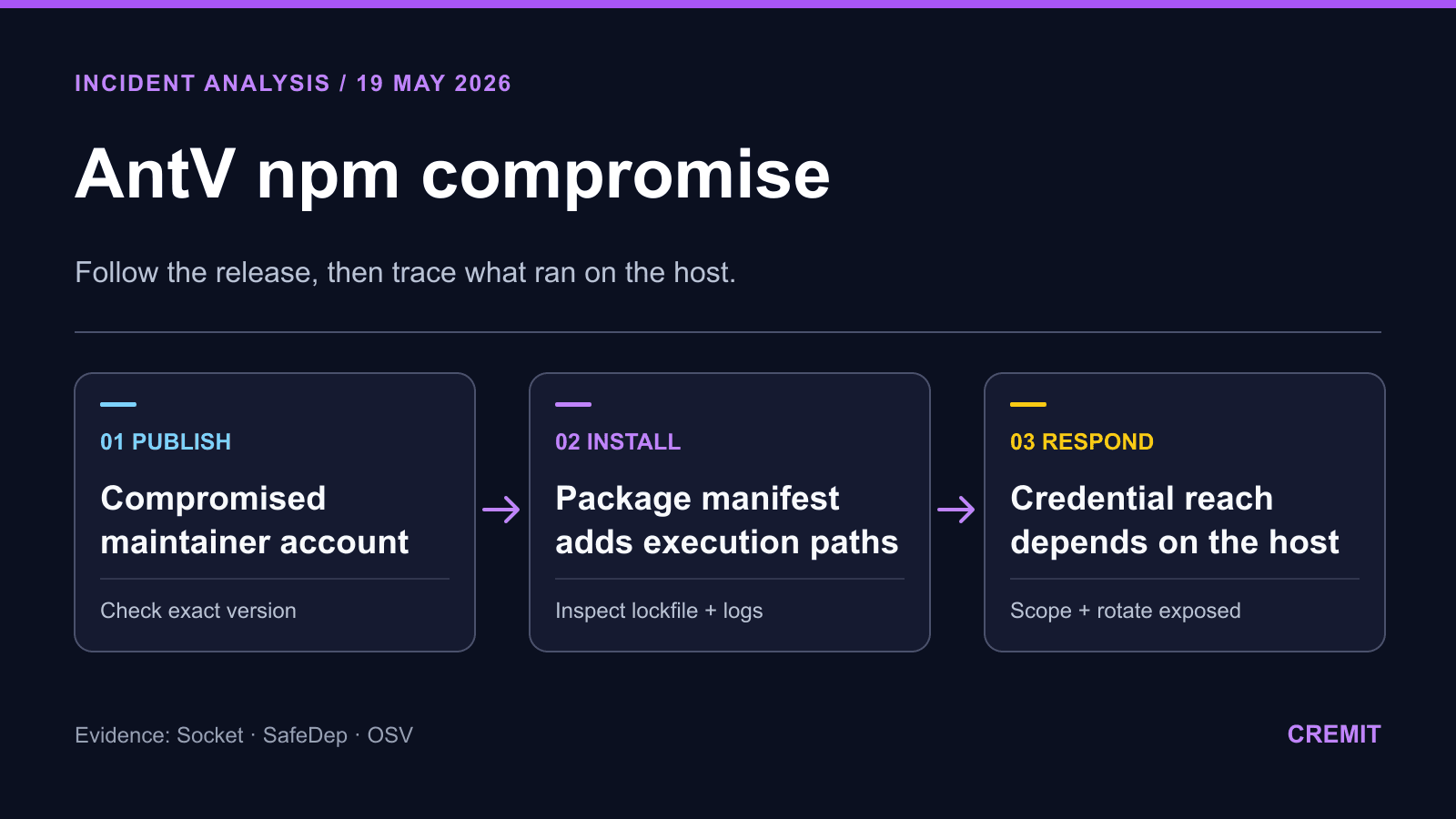
Socket and SafeDep documented hundreds of malicious AntV-related npm releases. Compare exact versions, understand the two execution paths, and scope credentials exposed on affected hosts.
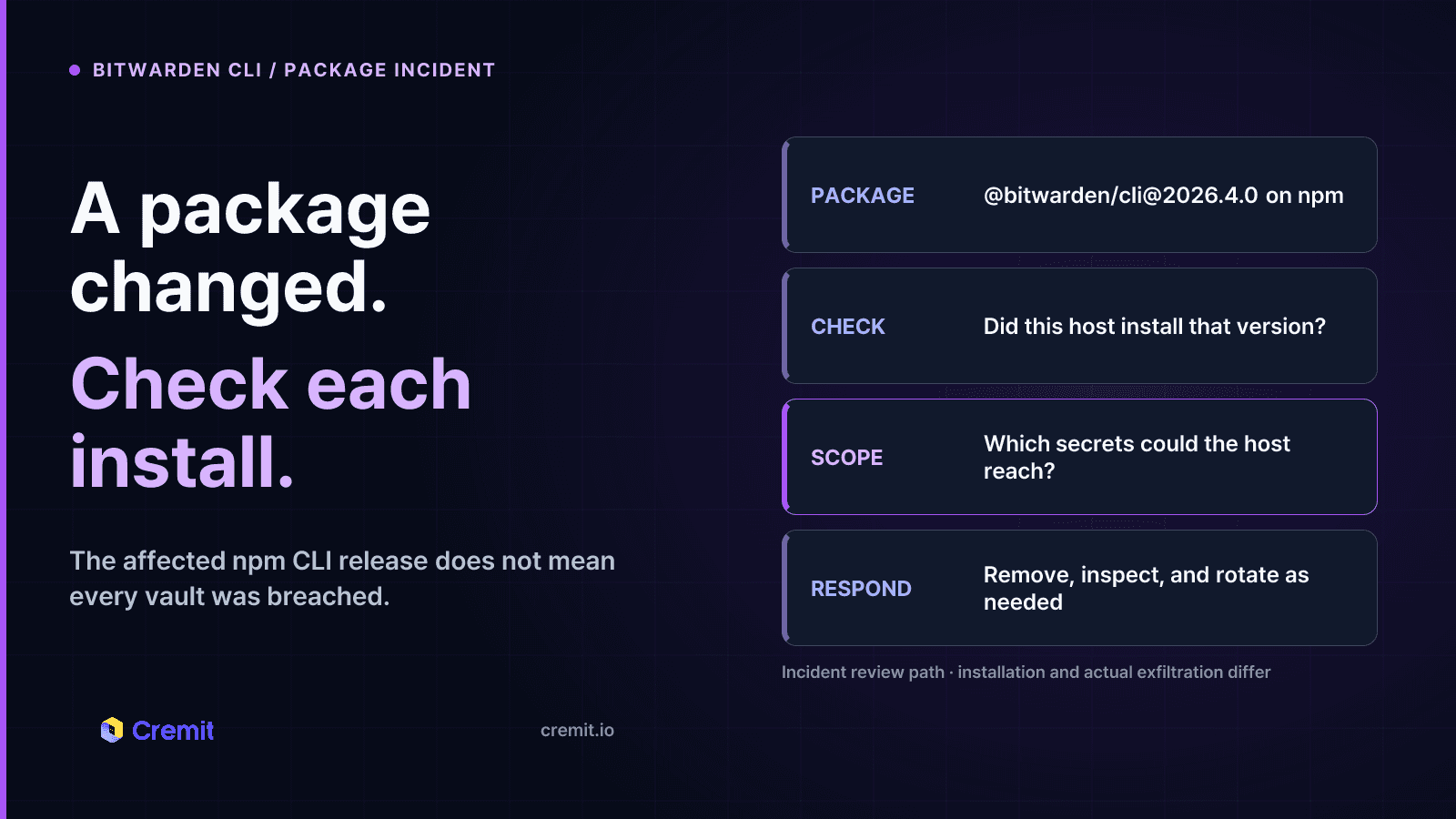
A malicious CLI package was available on npm for 93 minutes on April 22, 2026. Check who installed it, what researchers found, and Bitwarden’s response steps.
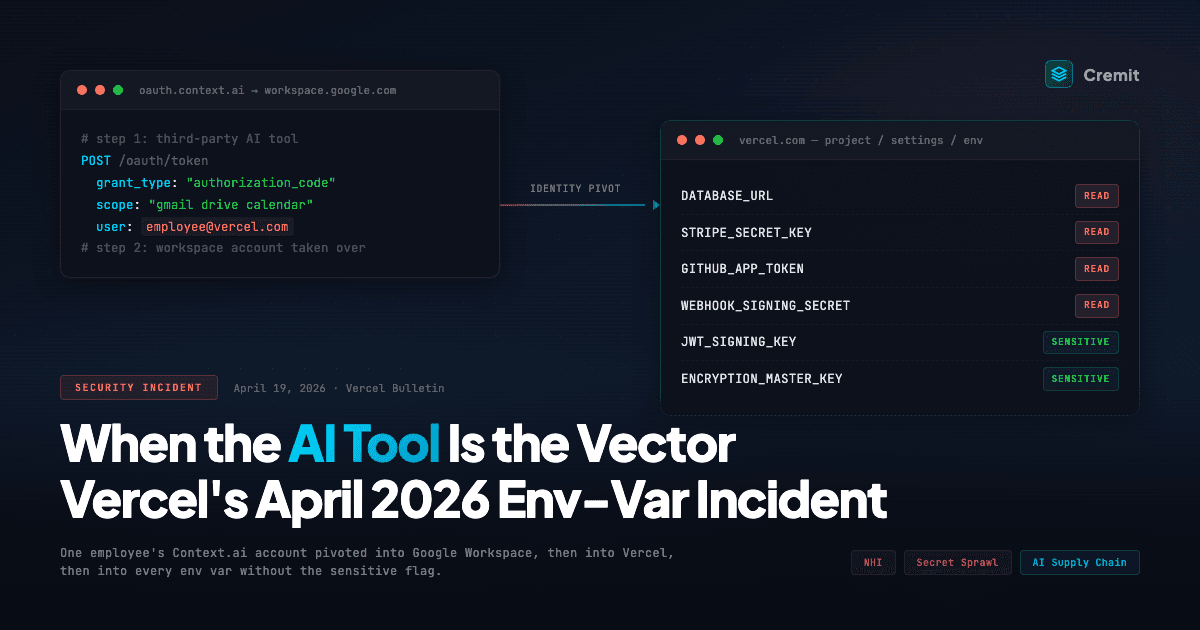
Vercel confirmed an unauthorized-access incident on April 19, 2026 that started in a third-party AI tool, pivoted through Google Workspace, and reached environment variables in a subset of customer projects. The exposure surface is every env var that was not marked sensitive. Here is what is confirmed, what is noise, and what to rotate first.

An organization's core credentials sat in public repositories for years. The security industry's answer: "Out of scope."

Aqua Security's Trivy was compromised by TeamPCP, cascading into LiteLLM. A 7-phase Cyber Kill Chain and MITRE ATT&CK analysis of how incomplete credential rotation turned a single breach into a five-ecosystem catastrophe.
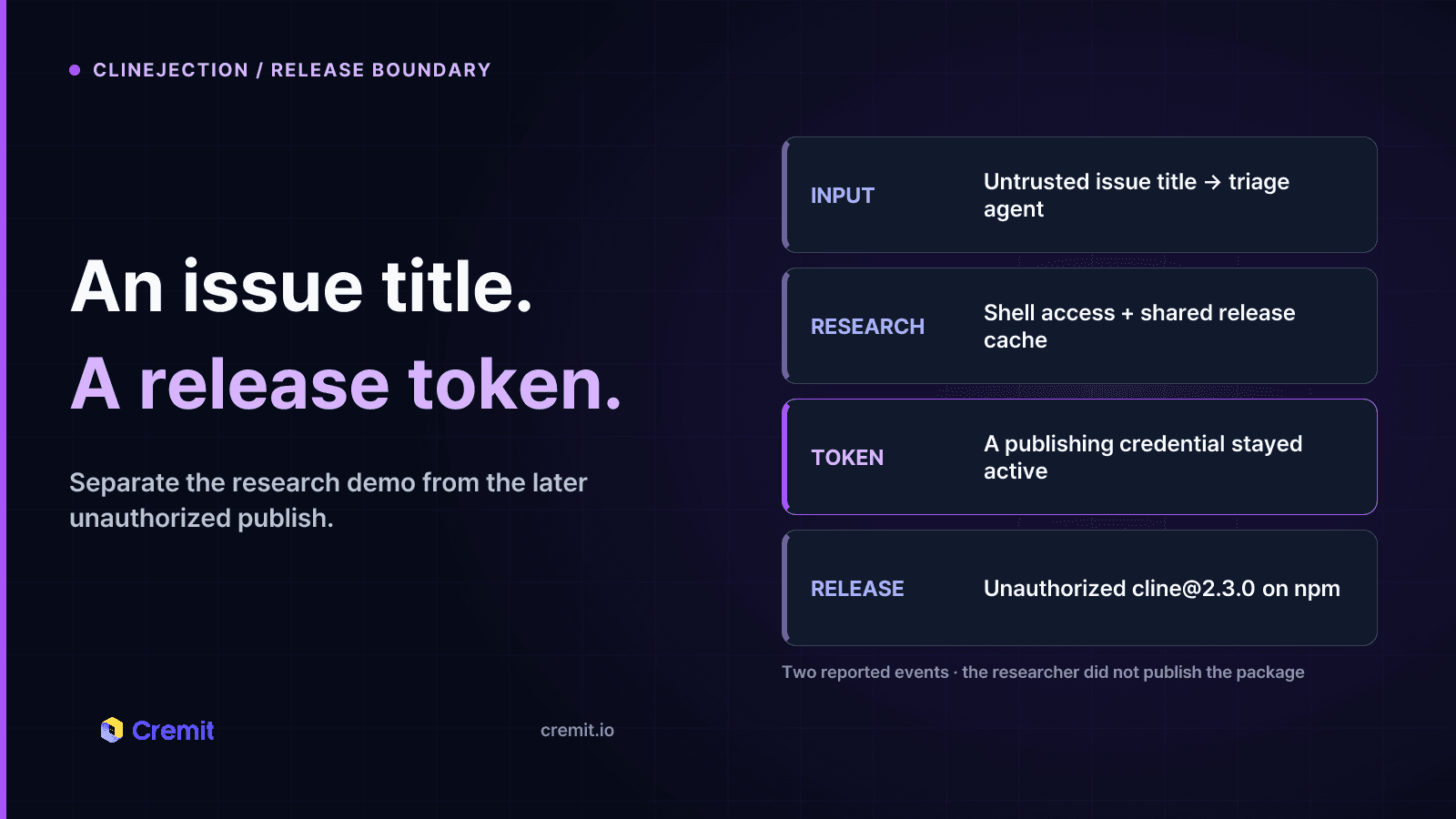
Cline’s issue-triage agent exposed a path to publishing credentials. A later unauthorized CLI release installed OpenClaw; Cline found no user data theft.
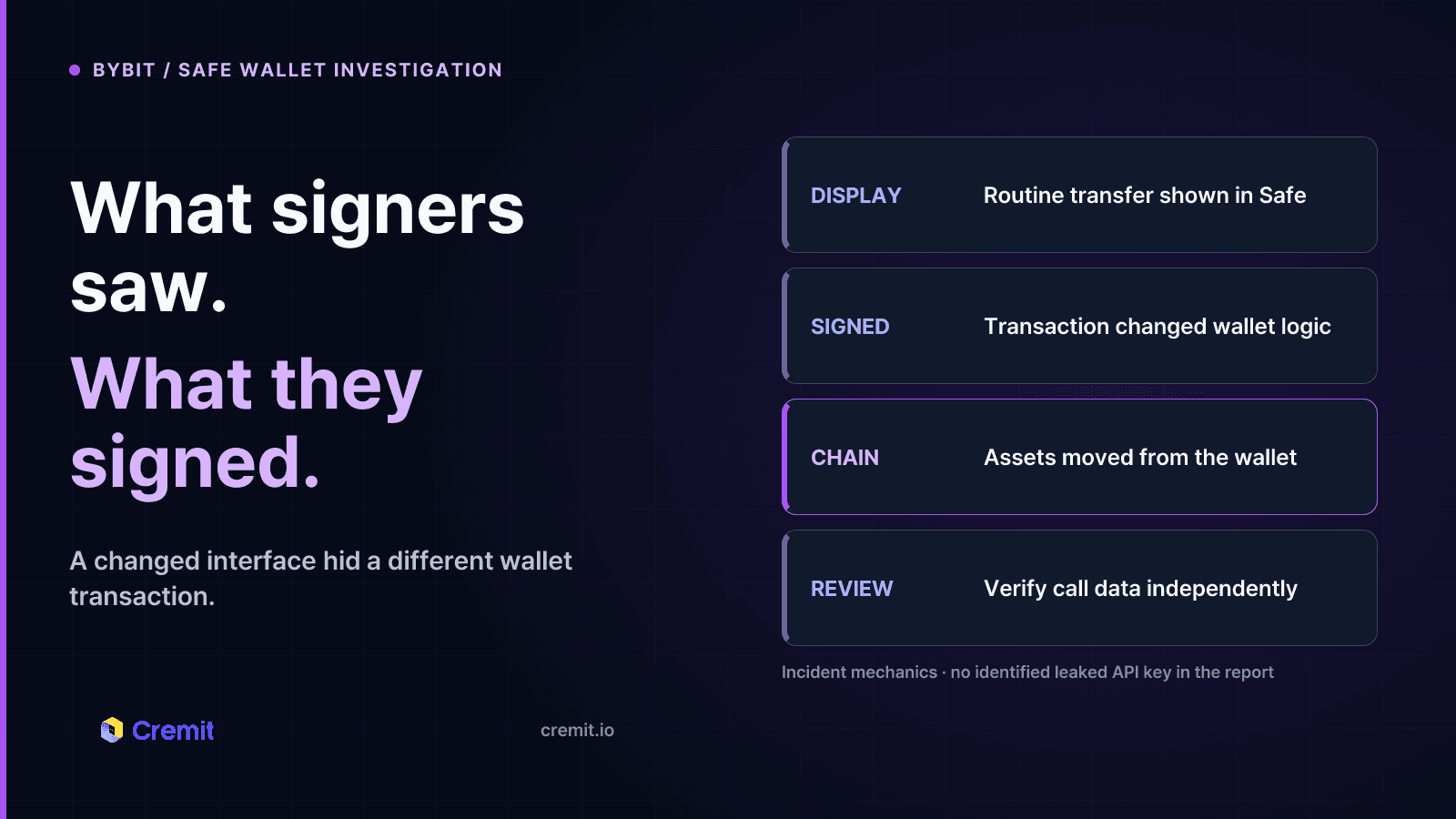
The February 2025 theft involved a compromised Safe developer and a manipulated transaction interface. Here is what investigators confirmed and what remains unknown.
A public leak, a valid key, and evidence of misuse are different findings. Here is how to investigate each without claiming a sale you cannot prove.
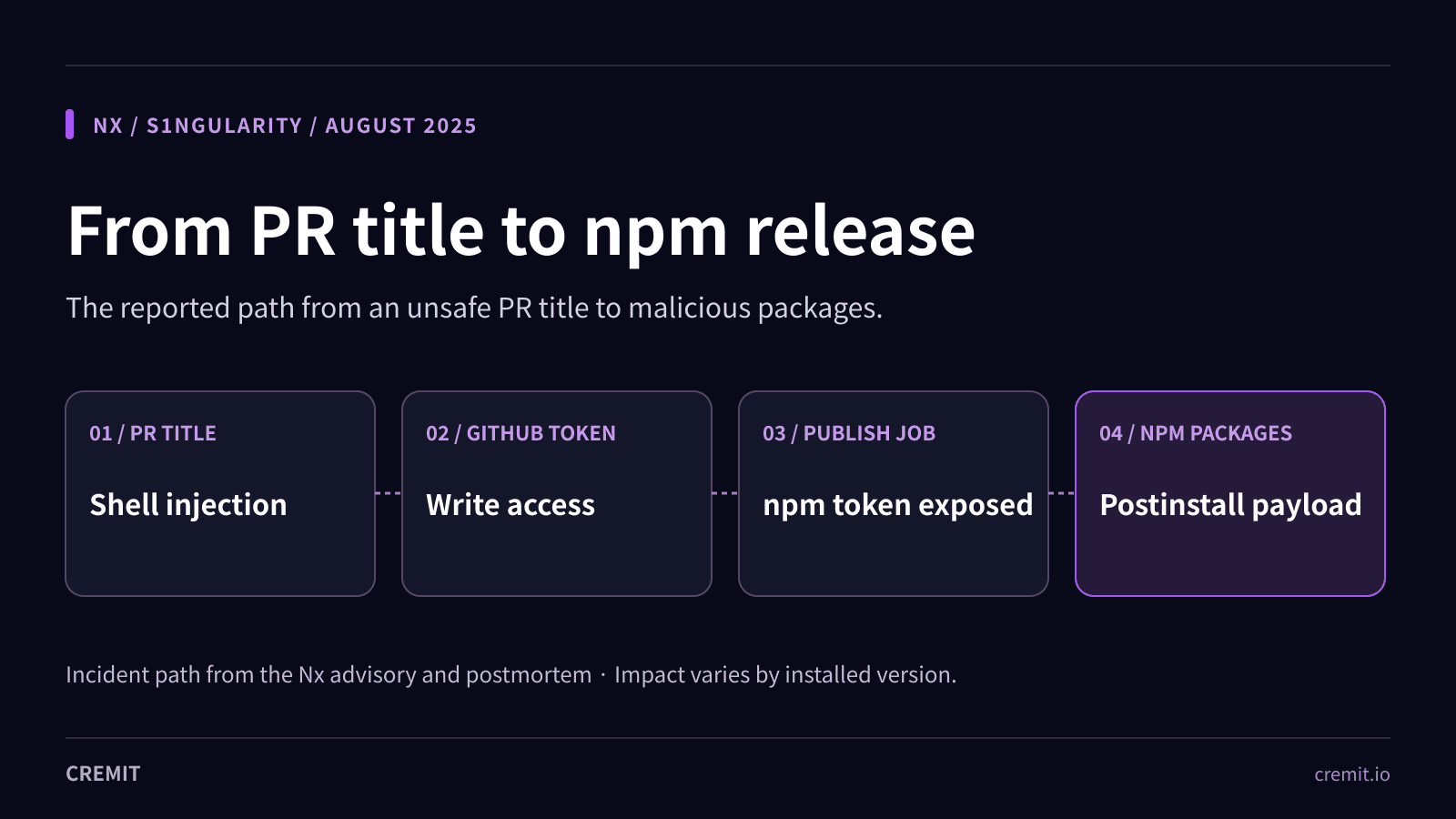
The documented August 2025 Nx attack path, exact affected versions, workstation indicators, and issuer-side response—without an invented victim count.
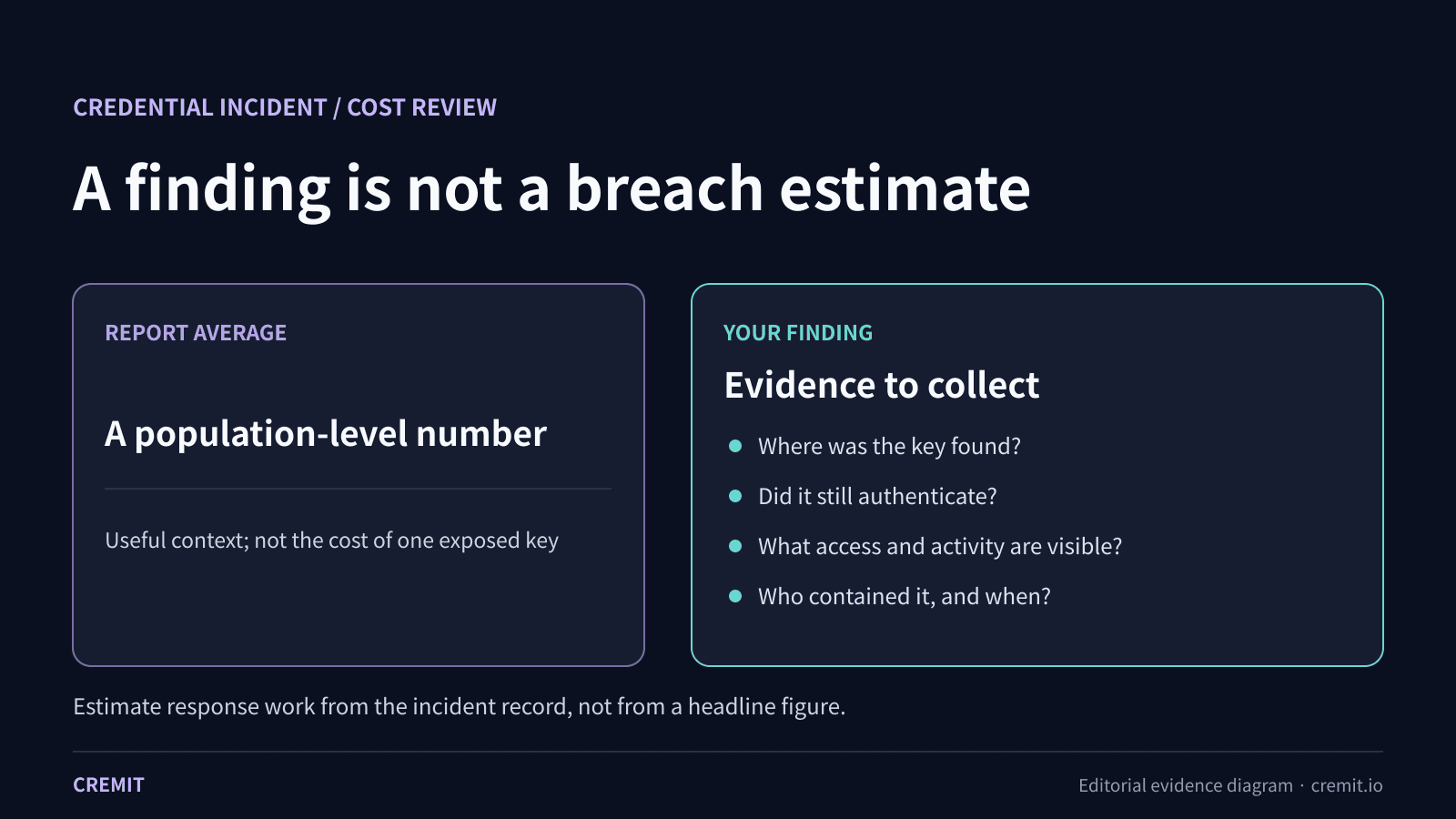
A breach-cost average cannot price one exposed credential. Record the key’s source, issuer status, available access and activity evidence, and response work before estimating impact.
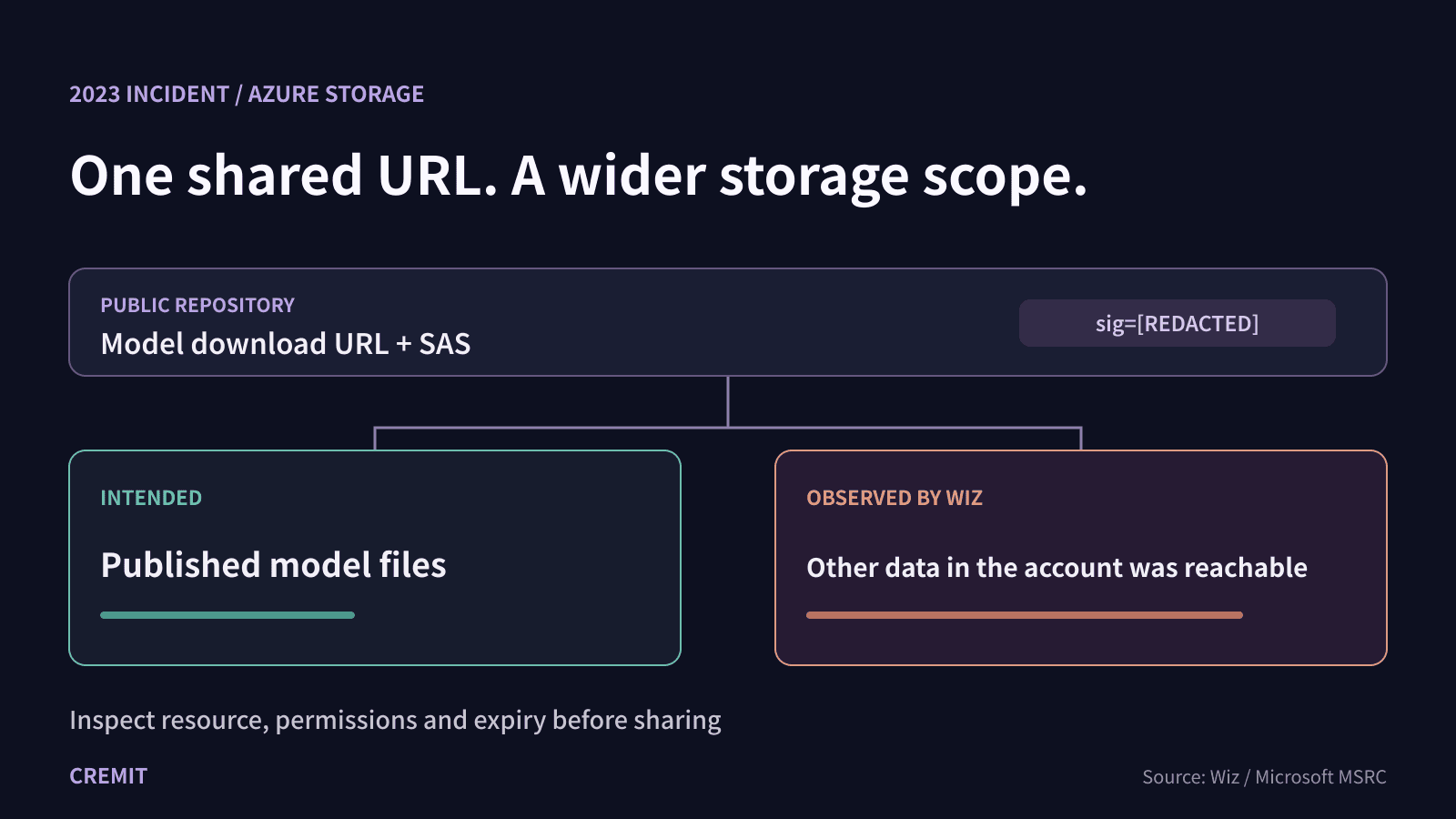
A public model download URL carried an Azure SAS token that reached other storage data. Microsoft and Wiz show why finding a URL, reviewing its scope, and investigating access are separate steps.
Optional cookies count visits, identify visiting companies, and measure ads. You can decline. Cookie policy