Dec 5, 2024
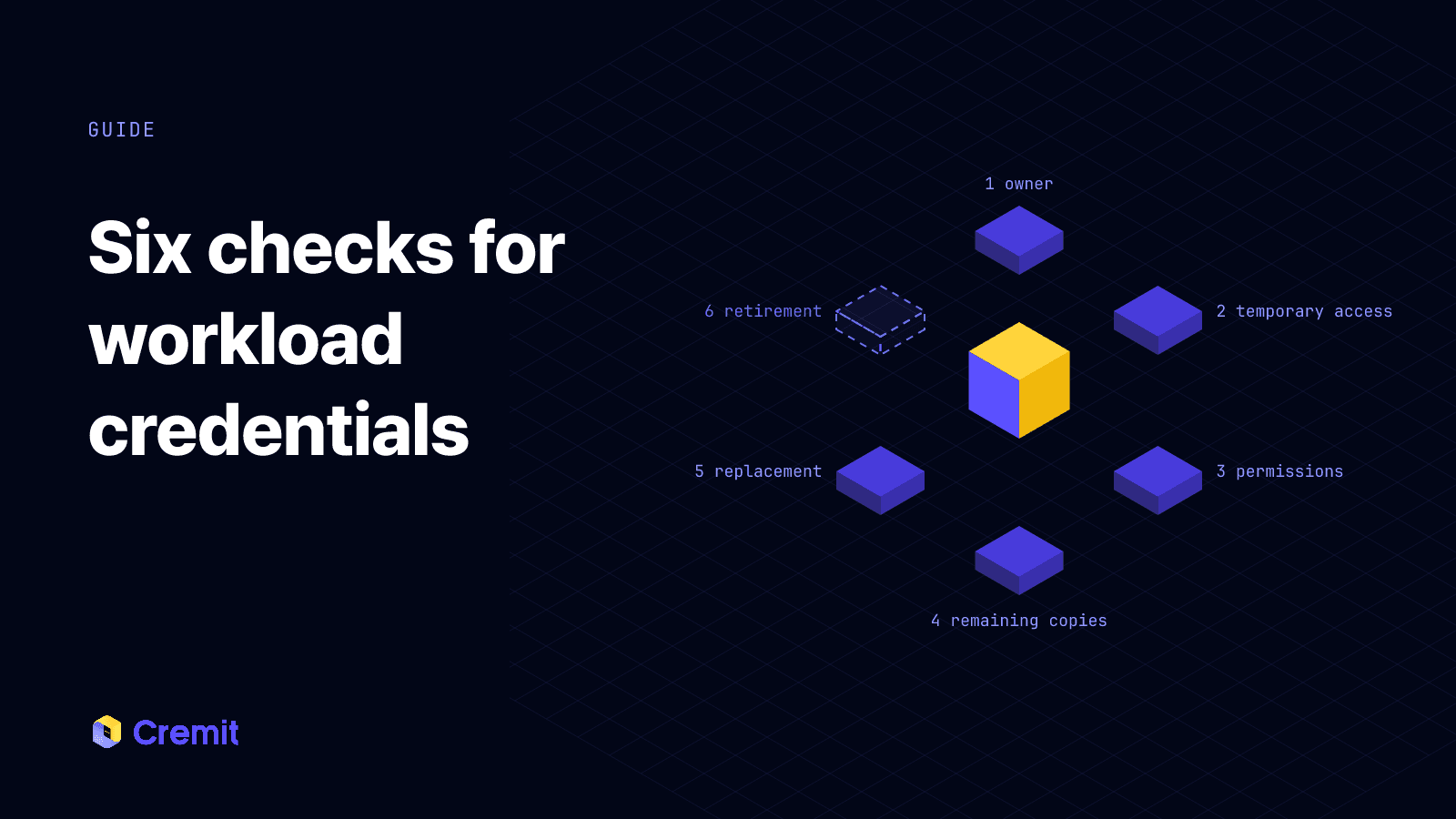
Six checks for securing workload credentials
Before adding another key or vault entry, identify the workload, prefer temporary access, bound its permissions, plan exposure response and retire unused identities.

Ben Kim
Read Cremit field studies, analyses of public incidents and guides to responding to secret exposure.
Optional cookies count visits, identify visiting companies, and measure ads. You can decline. Cookie policy
Before adding another key or vault entry, identify the workload, prefer temporary access, bound its permissions, plan exposure response and retire unused identities.
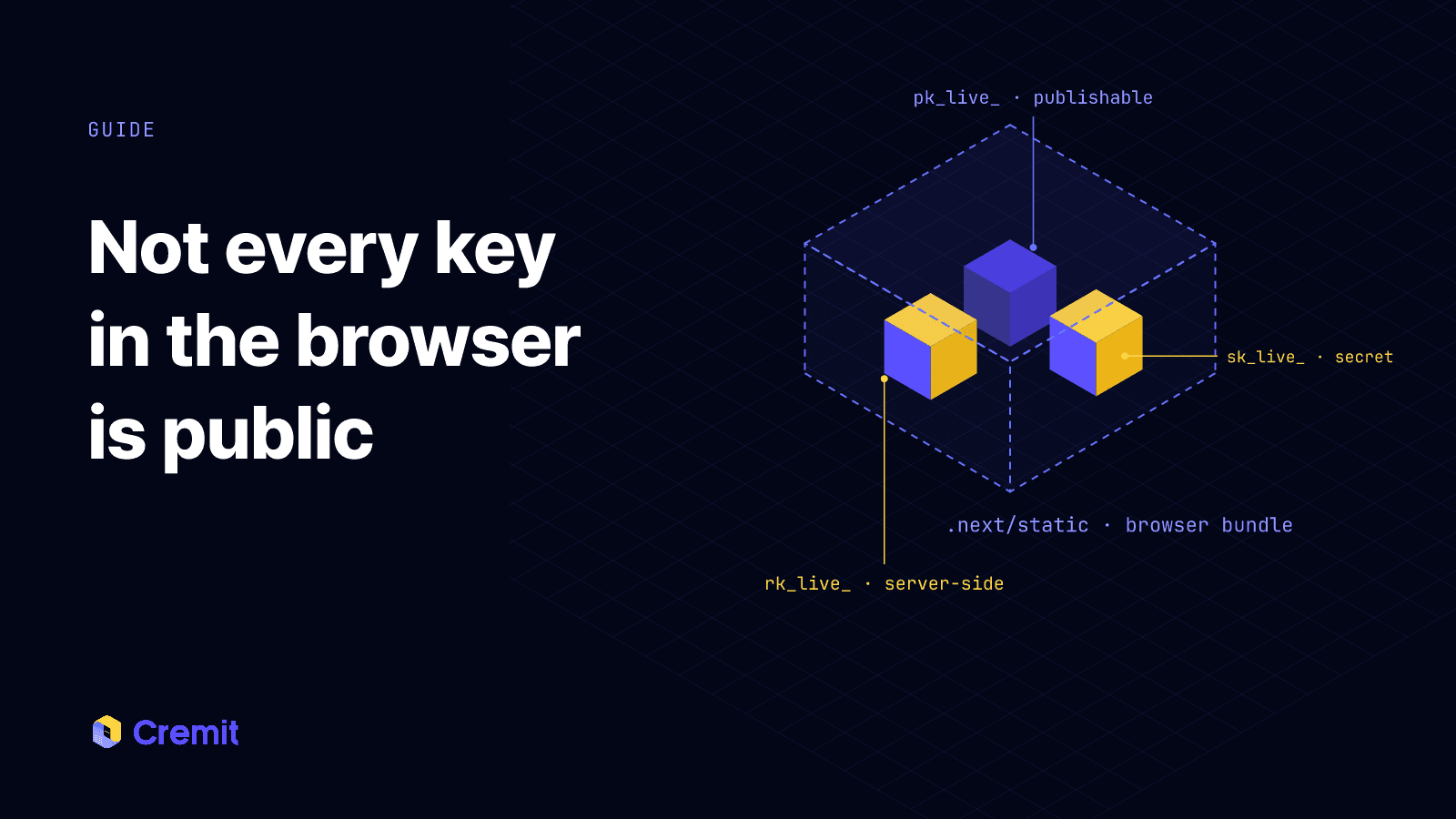
A browser-visible key may be public by design or an active secret. Use issuer key types, a documented Resend case, and build evidence to decide.
Cremit has joined the AWS SaaS Spotlight program for early-stage SaaS startups in Asia Pacific.
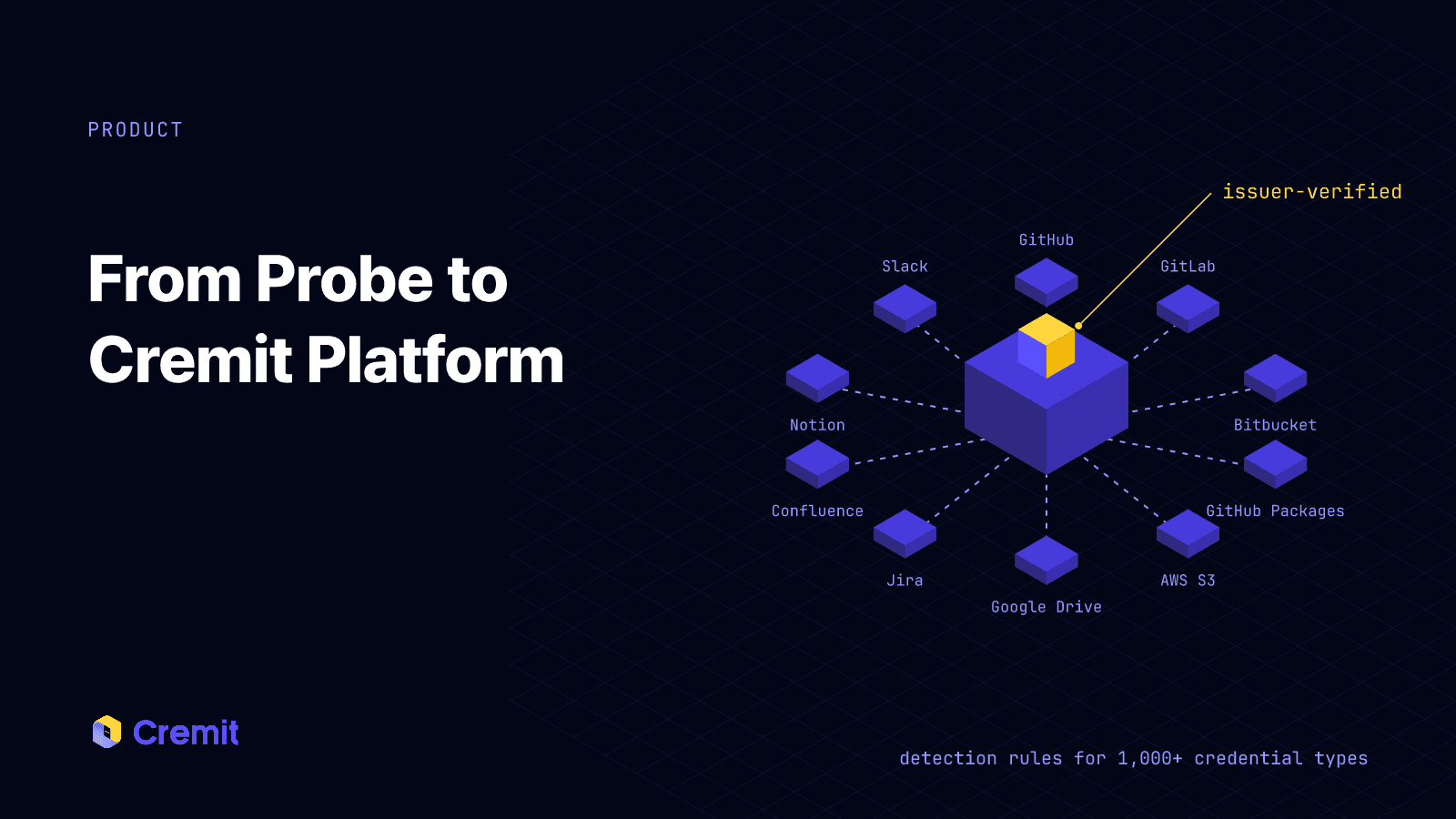
An updated guide to Cremit Platform’s scan sources, live credential checks, and remediation workflow, with current product limits.
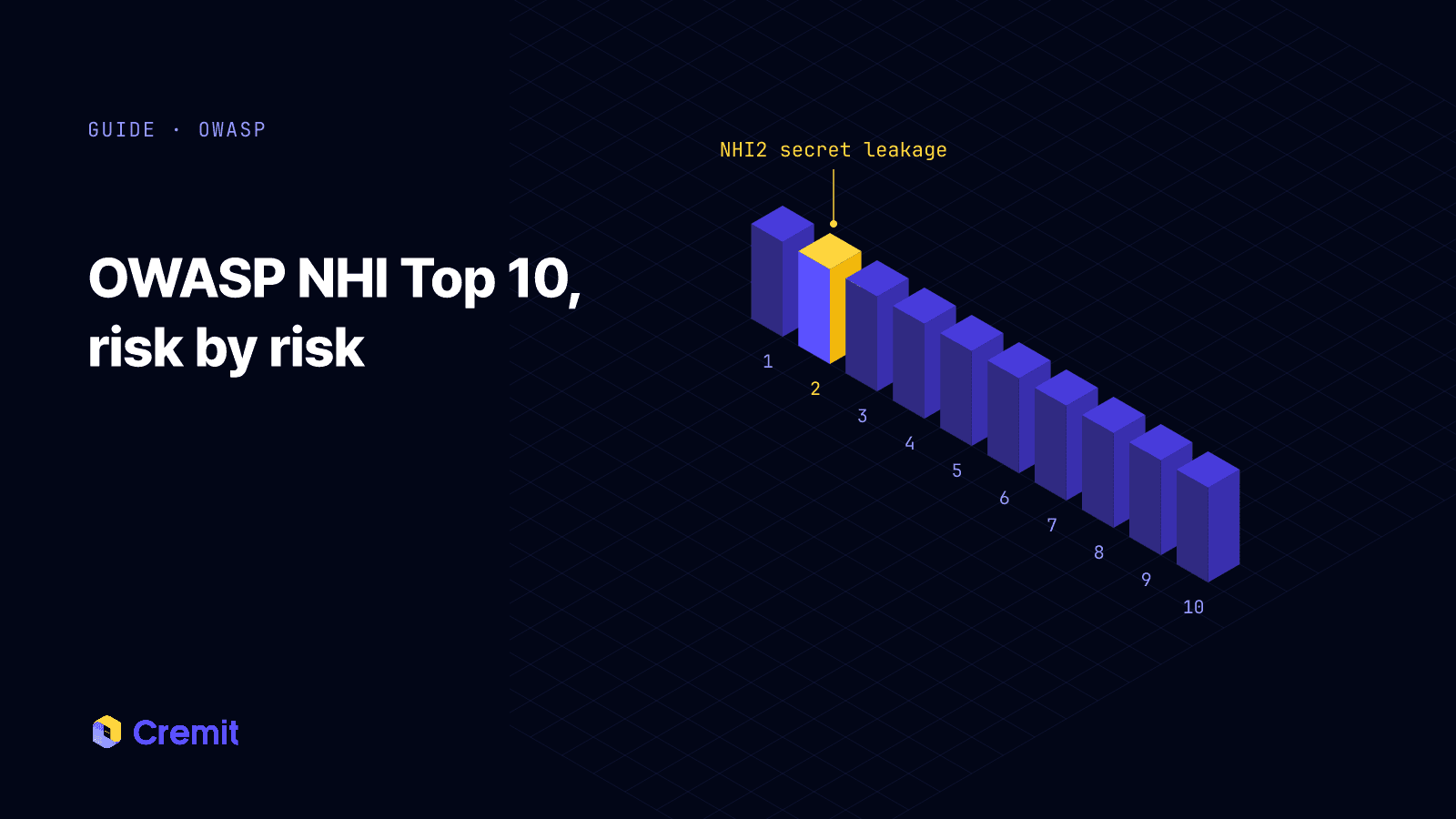
The ten OWASP NHI risks explained through specific checks for service accounts, tokens, deployment systems, and owners.
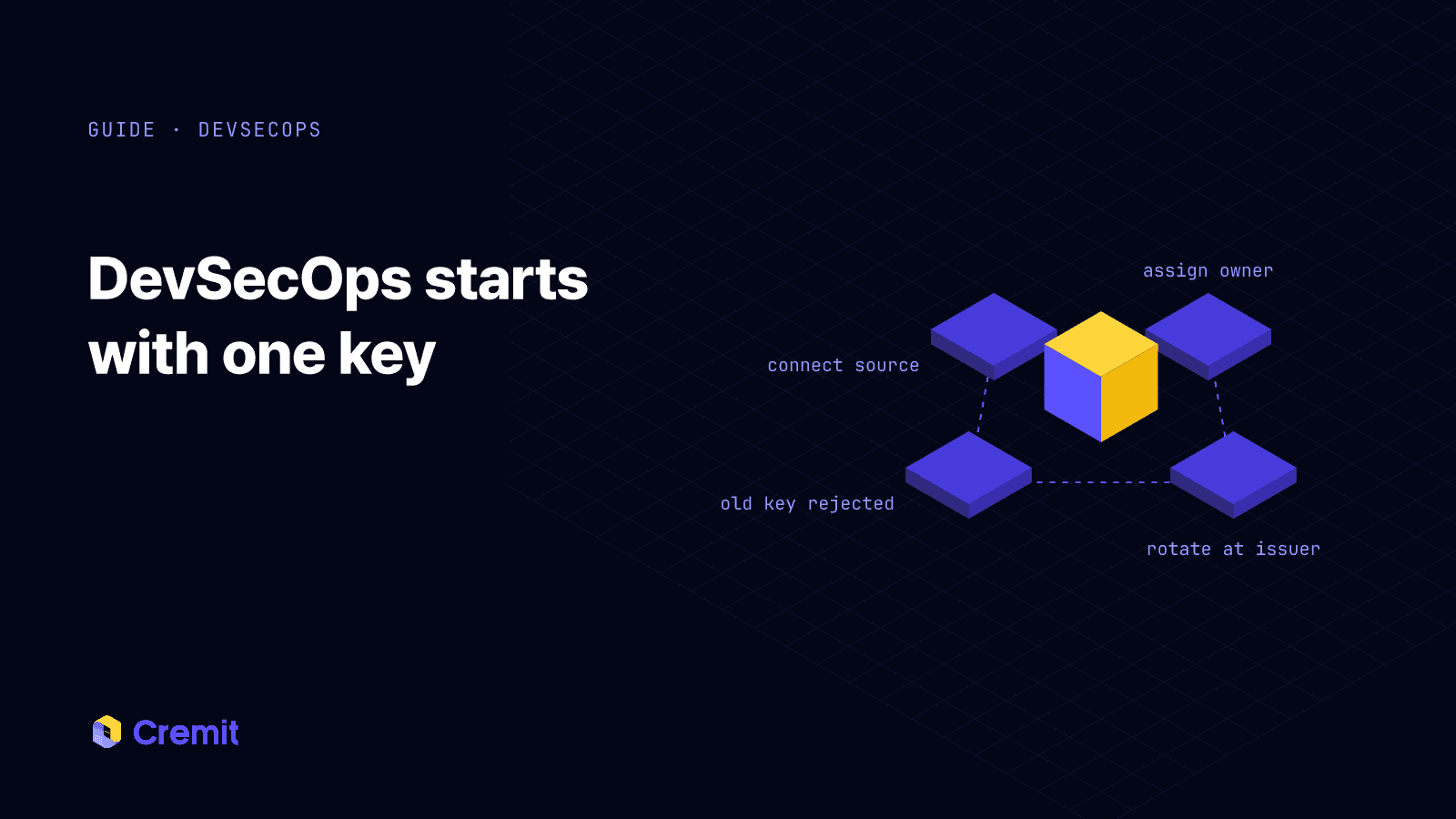
A practical rollout for credential detection across repositories and collaboration tools, with clear owners and honest scan timing.
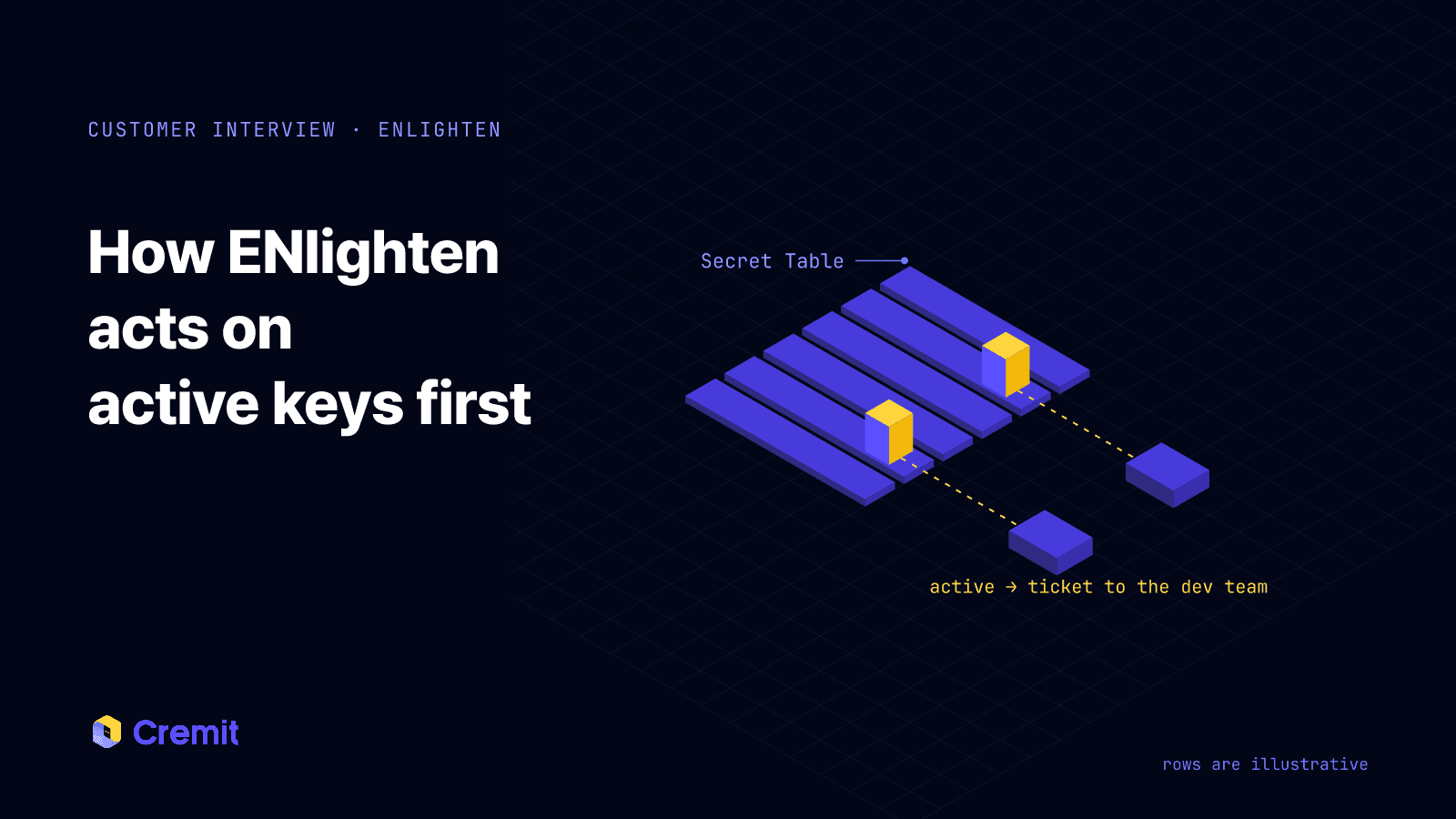
A conversation with the team at ENlighten, a Korean energy IT platform, about how they manage credentials and secrets and what led them to Cremit.
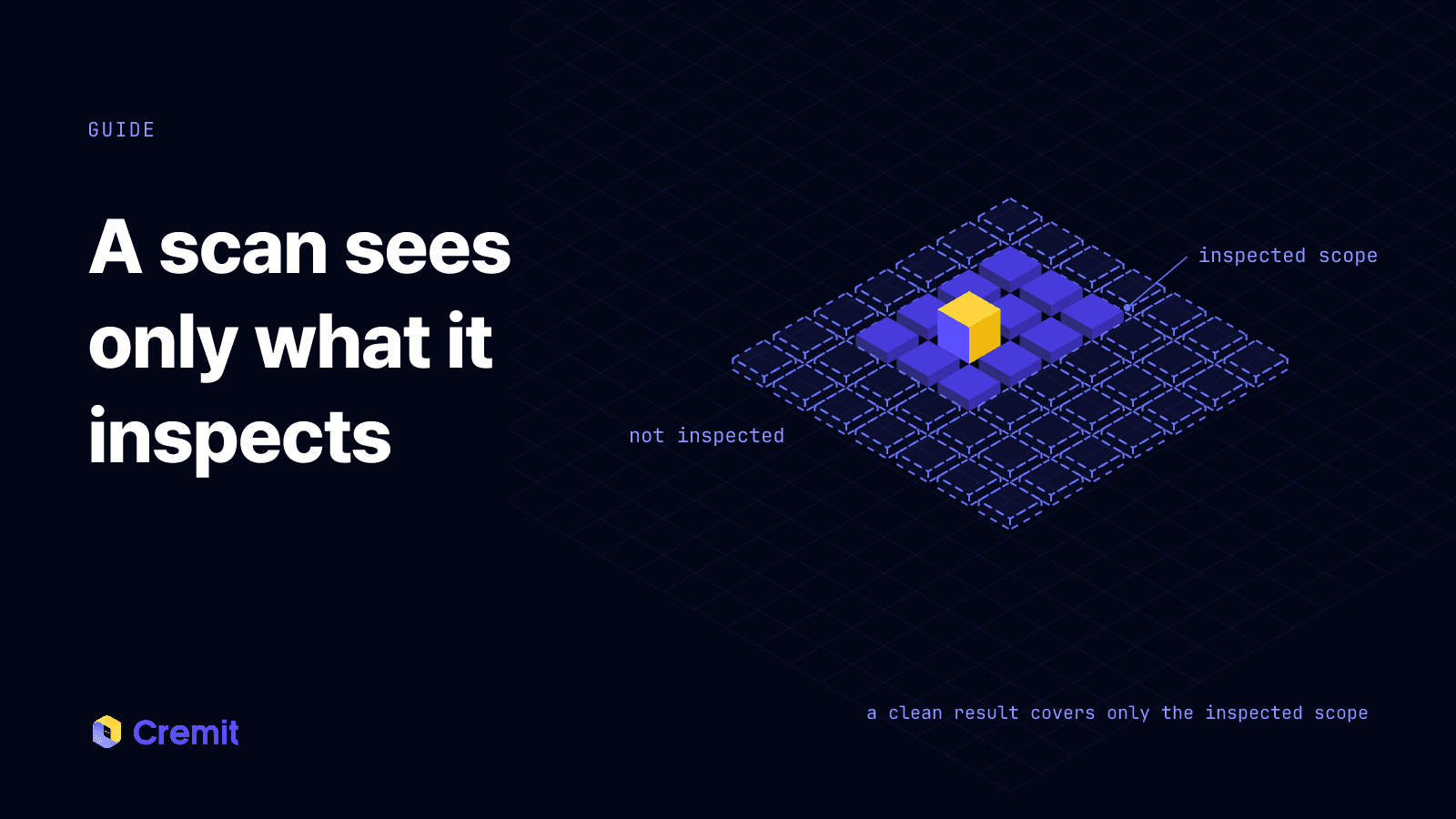
Secret detection finds possible credentials in content a tool actually inspects. Learn what a match proves, where scans run, and how to verify and contain an exposed key.
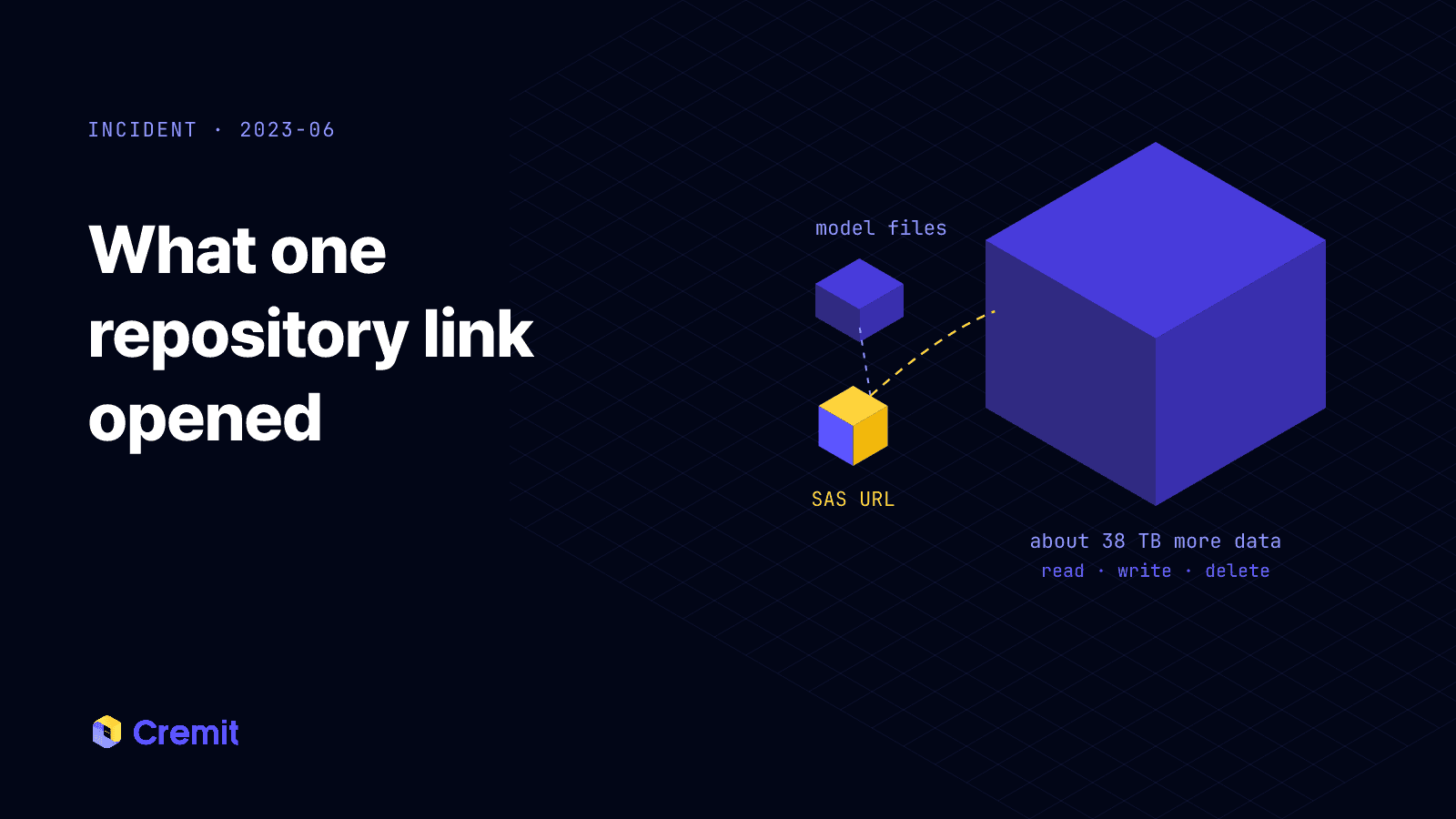
A public model download URL carried an Azure SAS token that reached other storage data. Microsoft and Wiz show why finding a URL, reviewing its scope, and investigating access are separate steps.
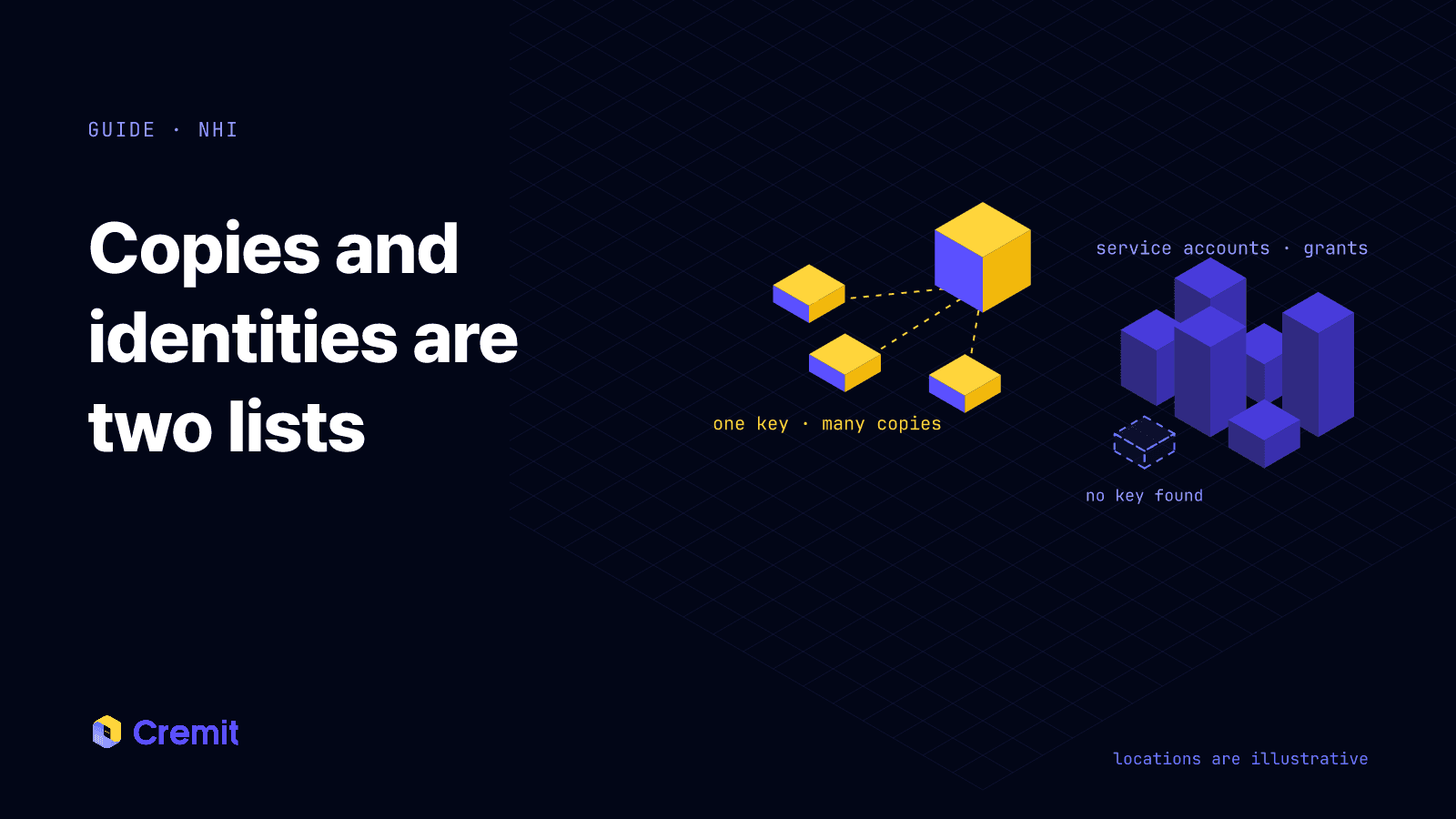
One credential can be copied to many places; many workload principals can accumulate grants. Keep separate records, then join the evidence for each investigation.
A short monthly brief on secret security from Cremit.