Nov 12, 2026
Where Leaked API Keys Go
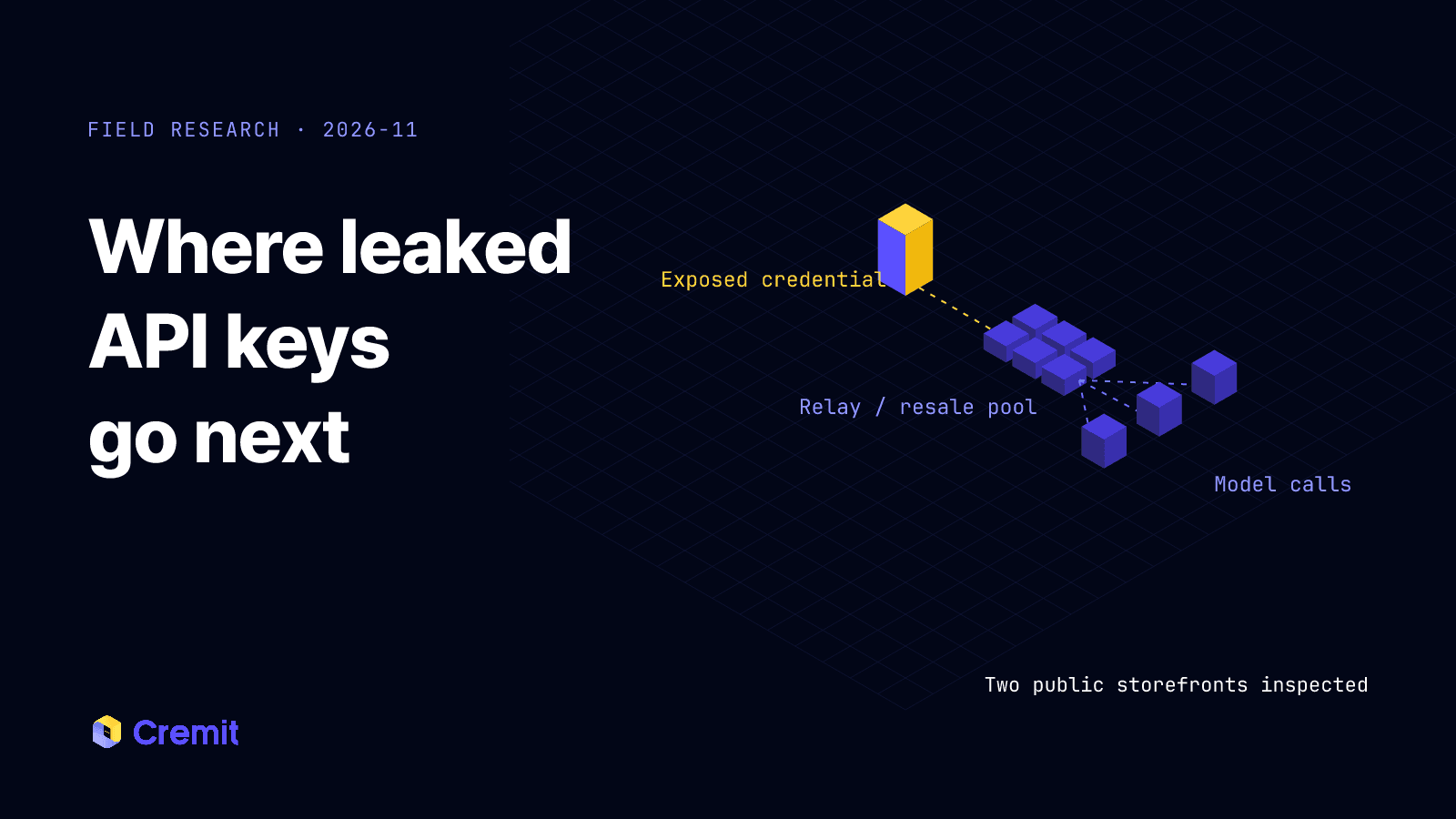
We inspected two public AI-access storefronts and compared the offers with hacking-forum ads and incident reports. Follow credential resale, evidence of abuse and the response work supported by Cremit.

Ben Kim
We inspected two public AI-access storefronts and compared the offers with hacking-forum ads and incident reports. Follow credential resale, evidence of abuse and the response work supported by Cremit.
Zeabur, a Taiwanese PaaS, is shutting down on December 31 after two breaches in two months. The October attacker used plaintext admin tokens and AWS keys that were never rotated after August to reach shared clusters in nine regions and the platform database. We separate what is confirmed from what is still a hypothesis, list what users should do, and turn the root causes into a checklist for other teams.
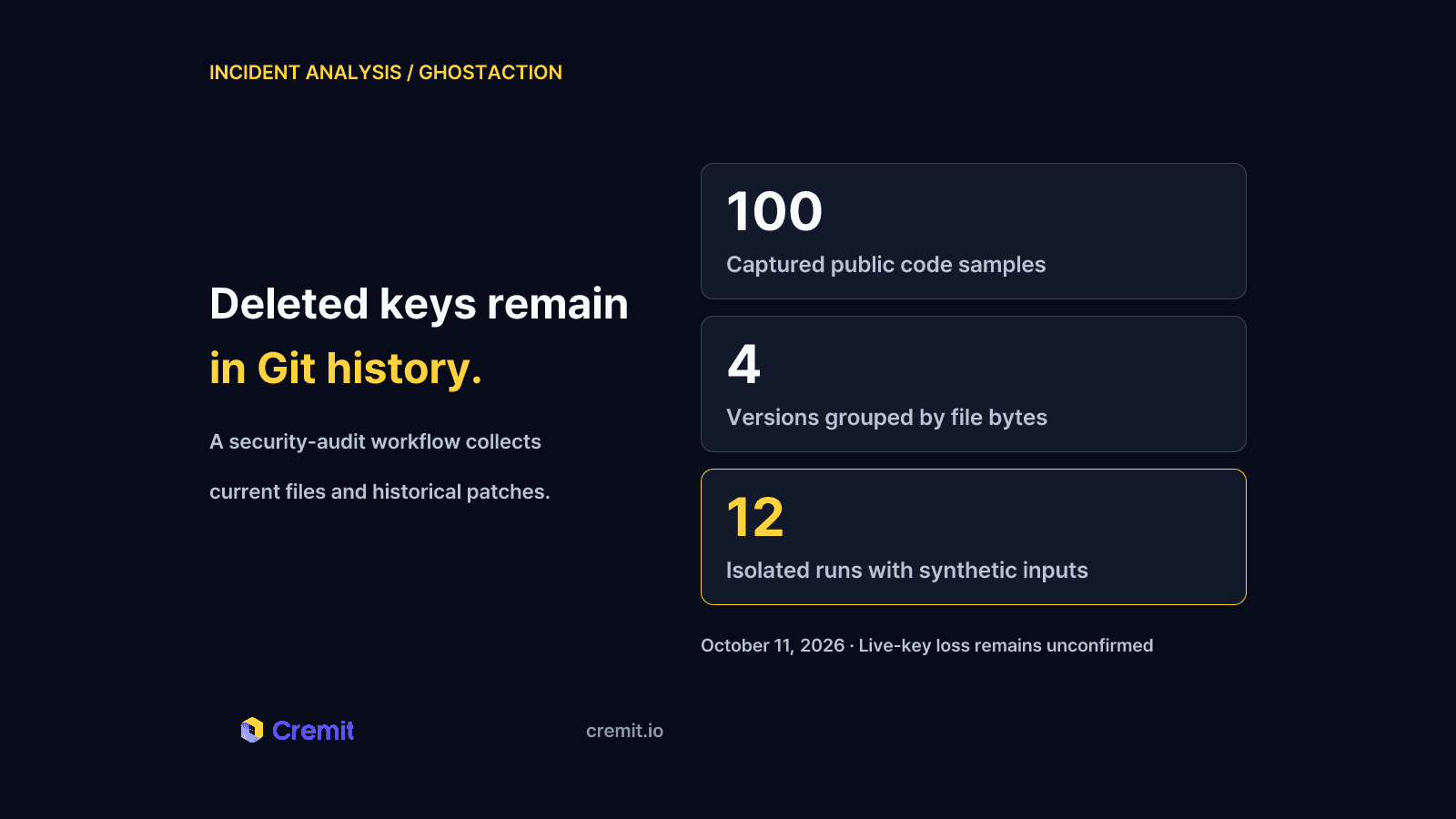
A review of 100 public workflow samples and Uber repository events shows four collector versions. We examine deleted-key collection through Git patches, successful exits after transfer failure, and credential-based response priorities.
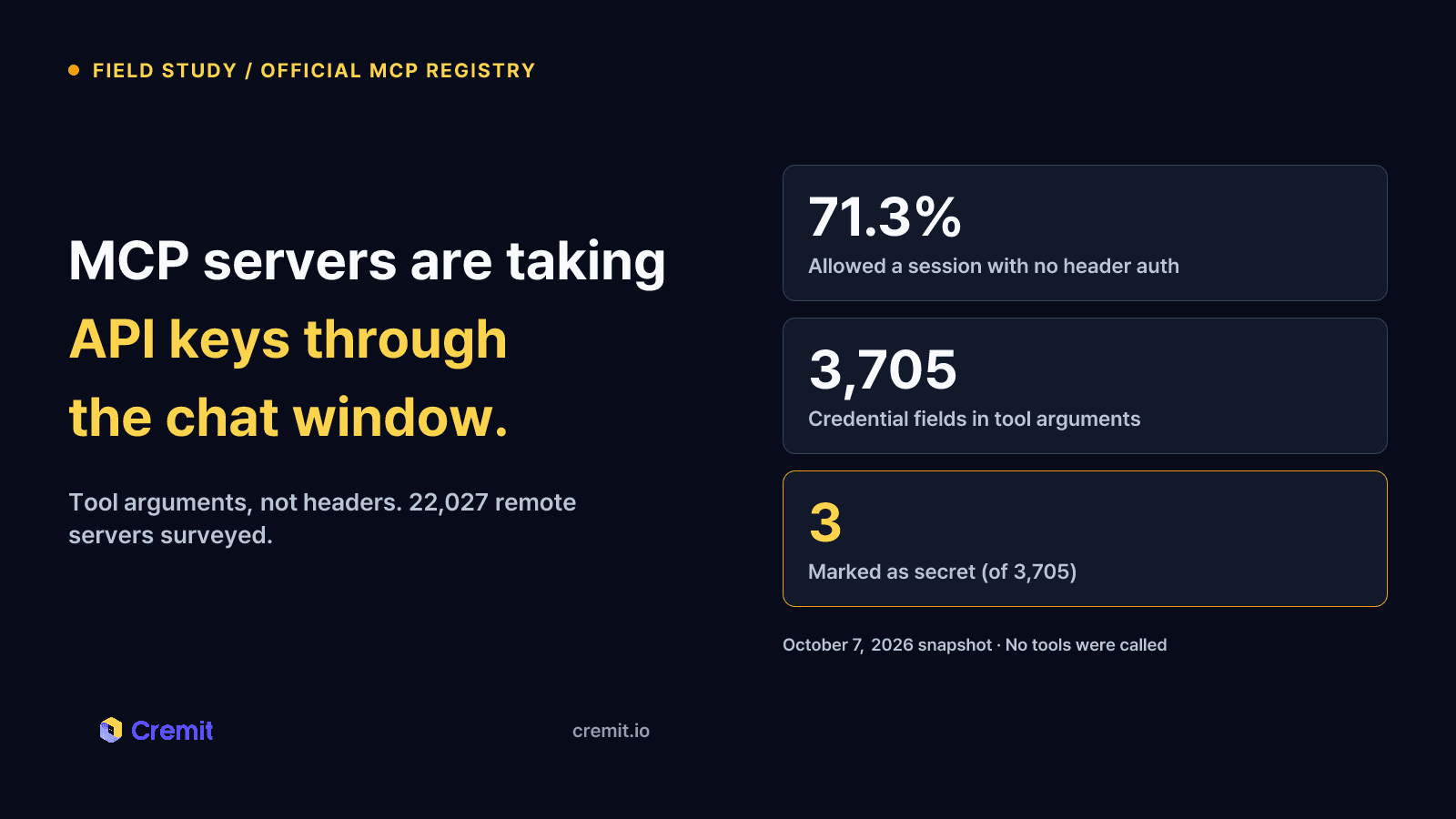
We sent one initialize request to every remote MCP server in the official registry. 71.3% of 22,027 responding servers opened a session with no header authentication, and 3,705 credential fields sit in tool arguments. Three of them are marked secret.
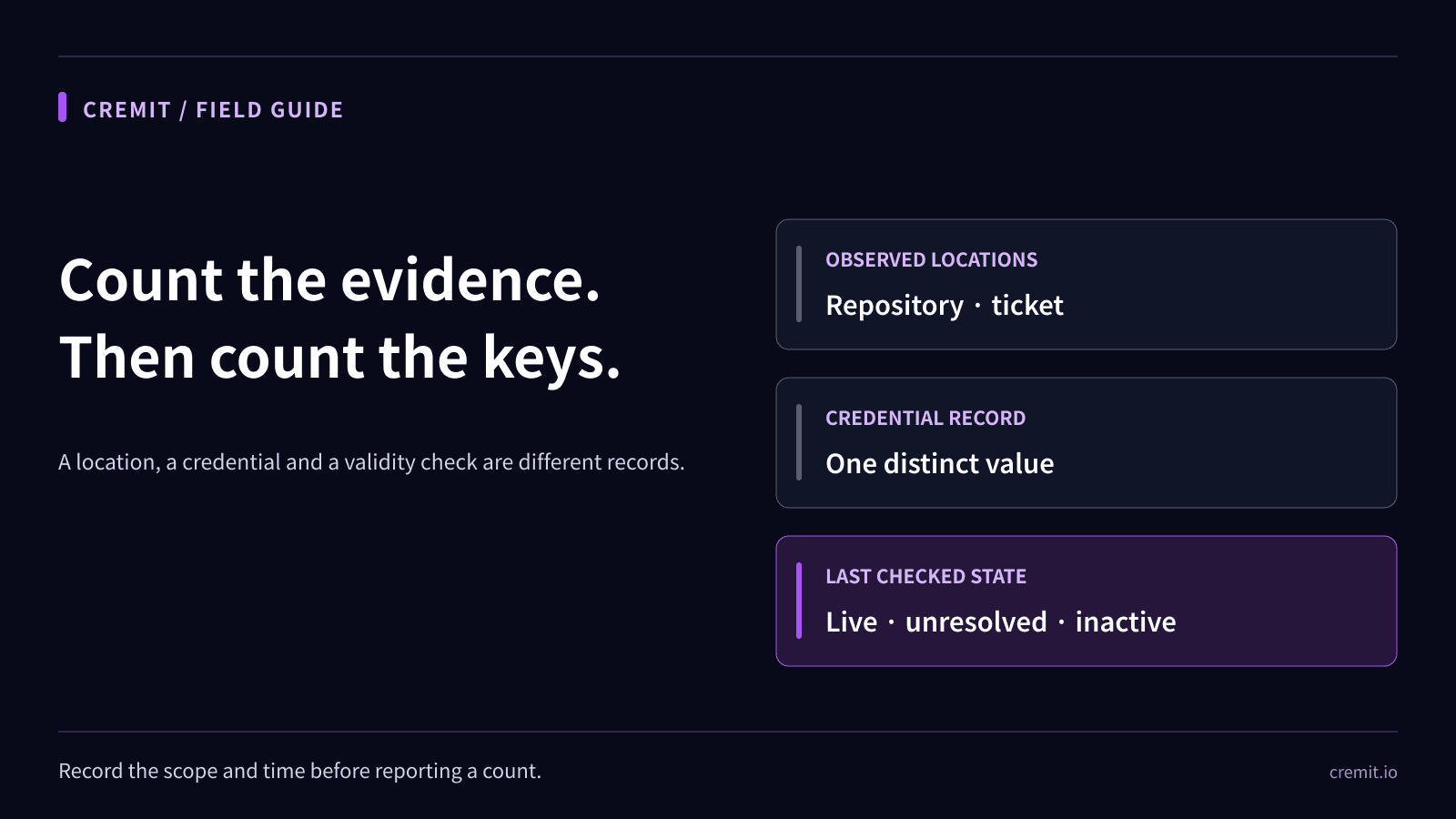
Count observed locations, distinct credential records and verification states separately. Define scope and check time before reporting exposure.
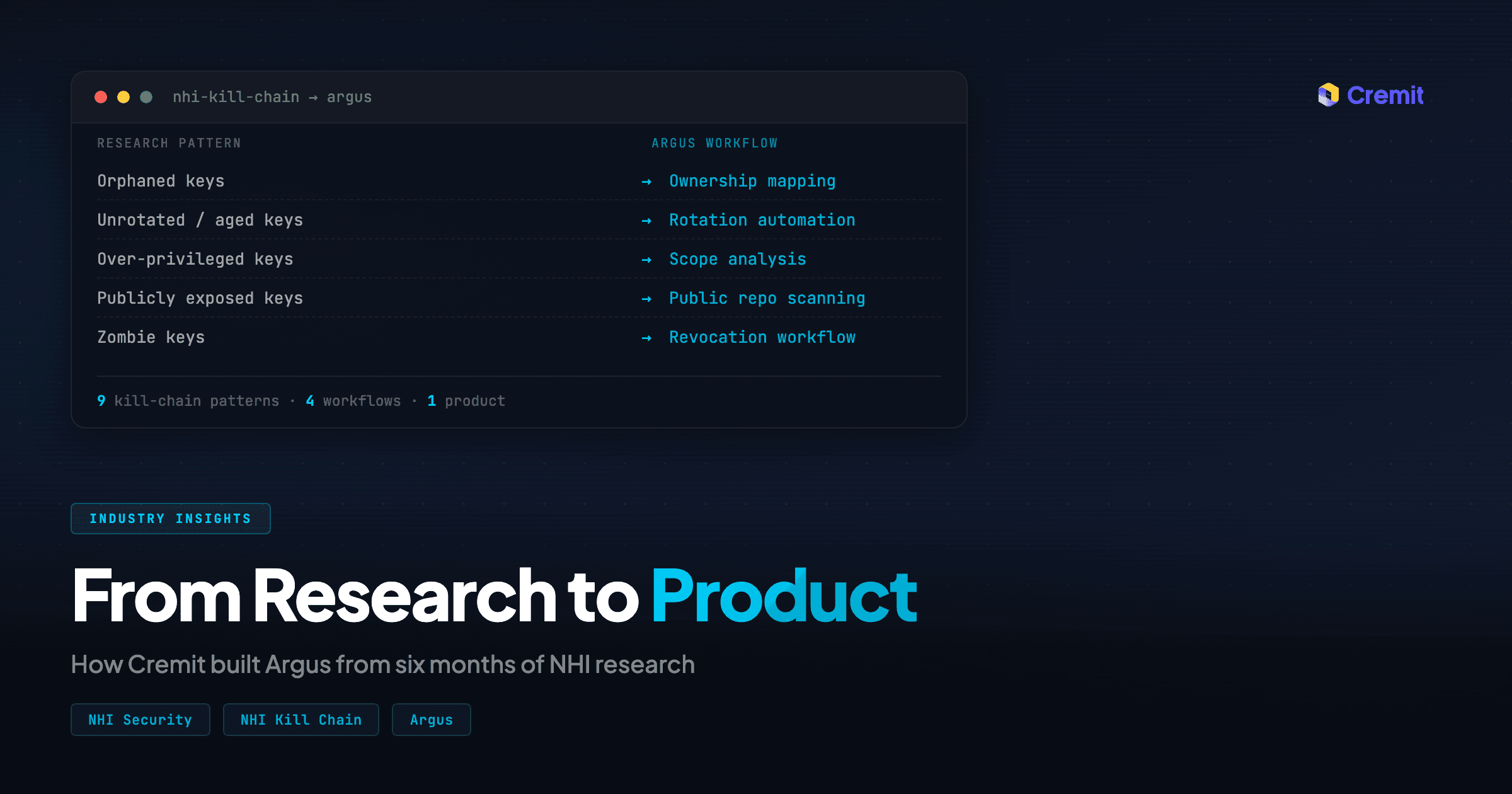
How Cremit Platform finds exposed credentials, verifies supported types, and routes findings to an owner, with clear limits.
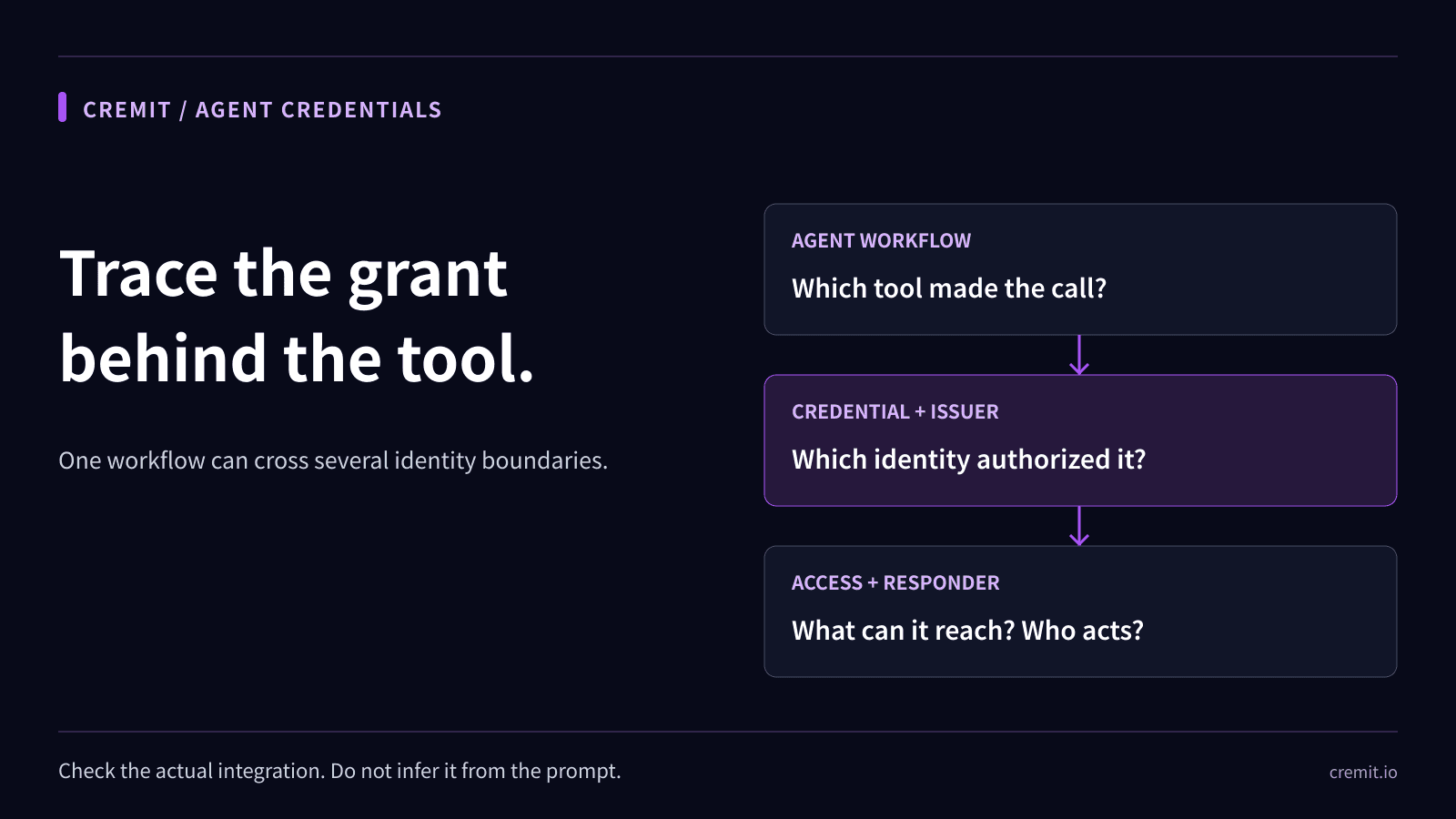
An agent workflow may cross several identity boundaries. Trace the actual grant, source location, permissions and owner before judging a leaked key.
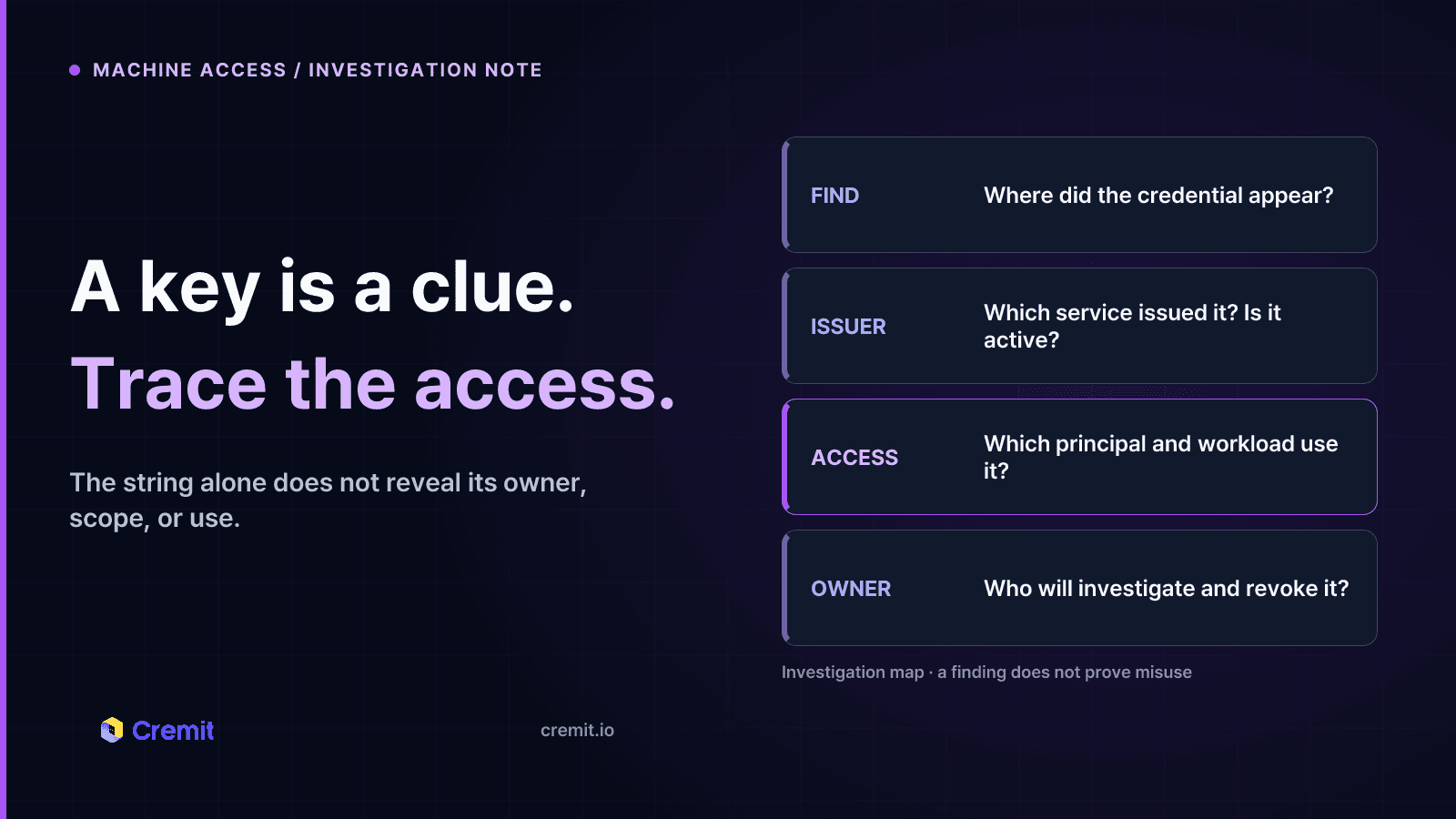
An exposed key is a lead. Connect it to its issuer, principal, permissions, workload, and owner before closing the access path.
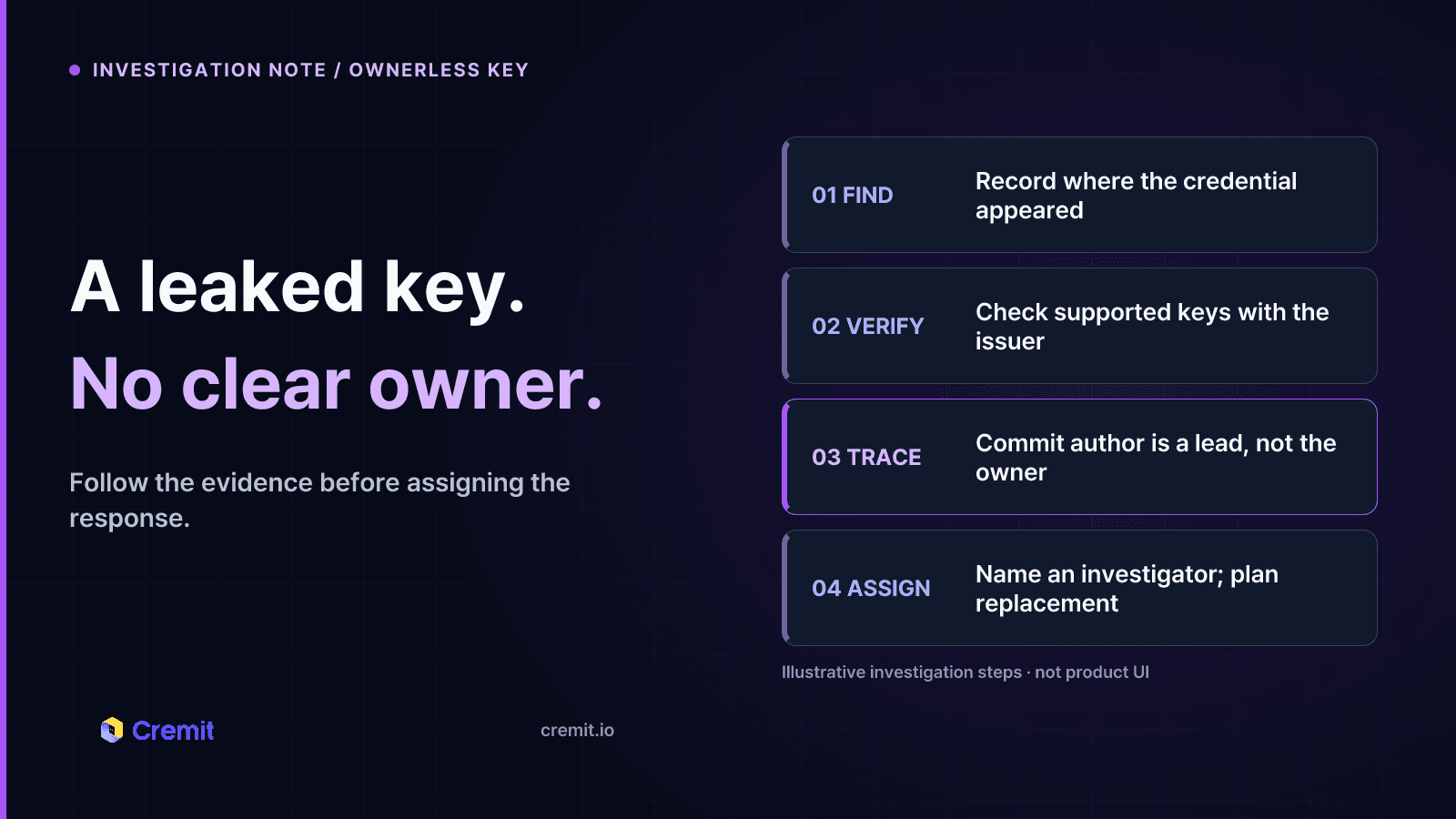
How to verify, investigate, assign, and replace an exposed credential when the service owner is unclear.

An organization's core credentials sat in public repositories for years. The security industry's answer: "Out of scope."
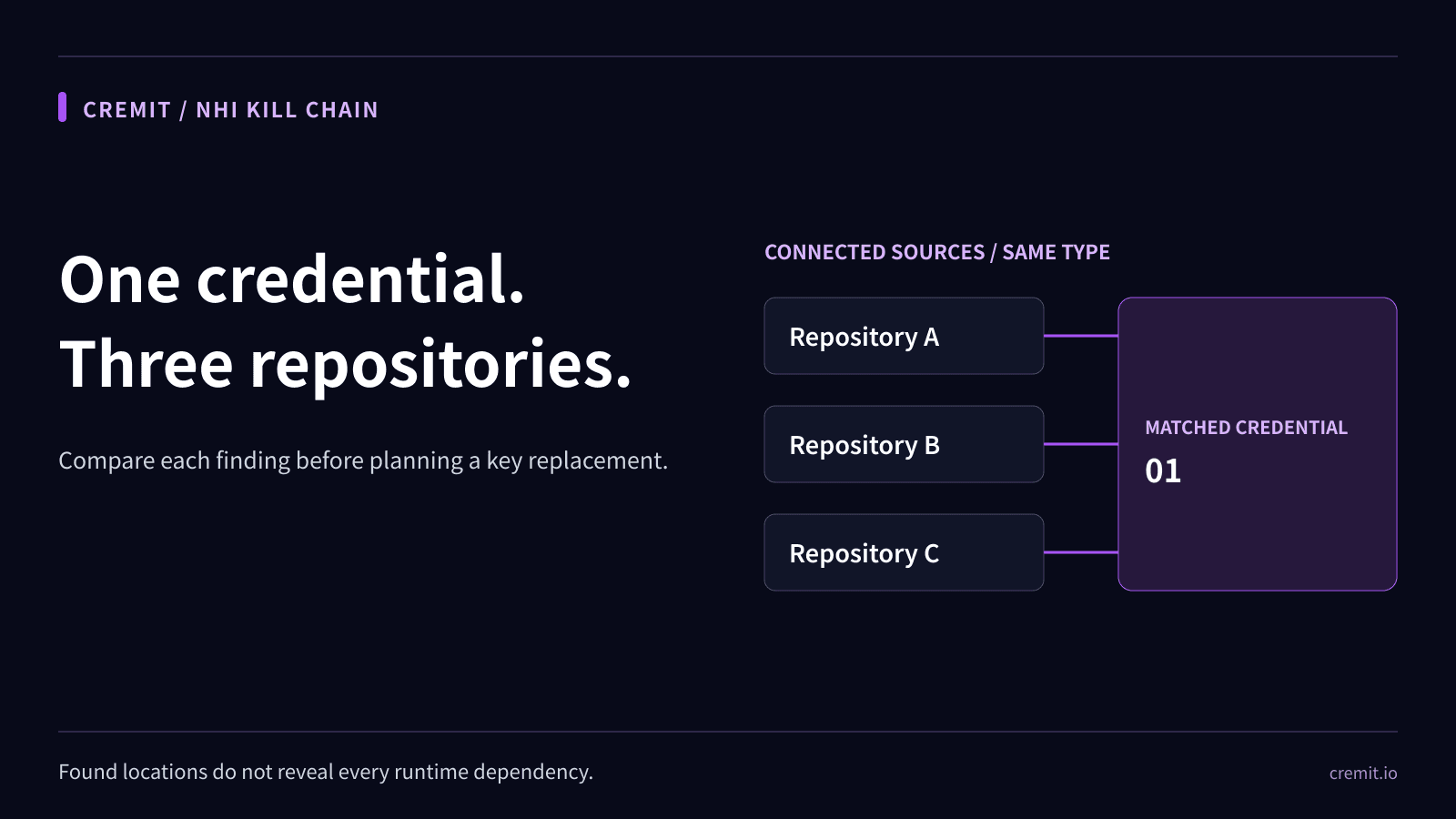
Three observed locations are not a complete dependency map. Check key type, issuer status, permissions, and actual consumers before replacement.
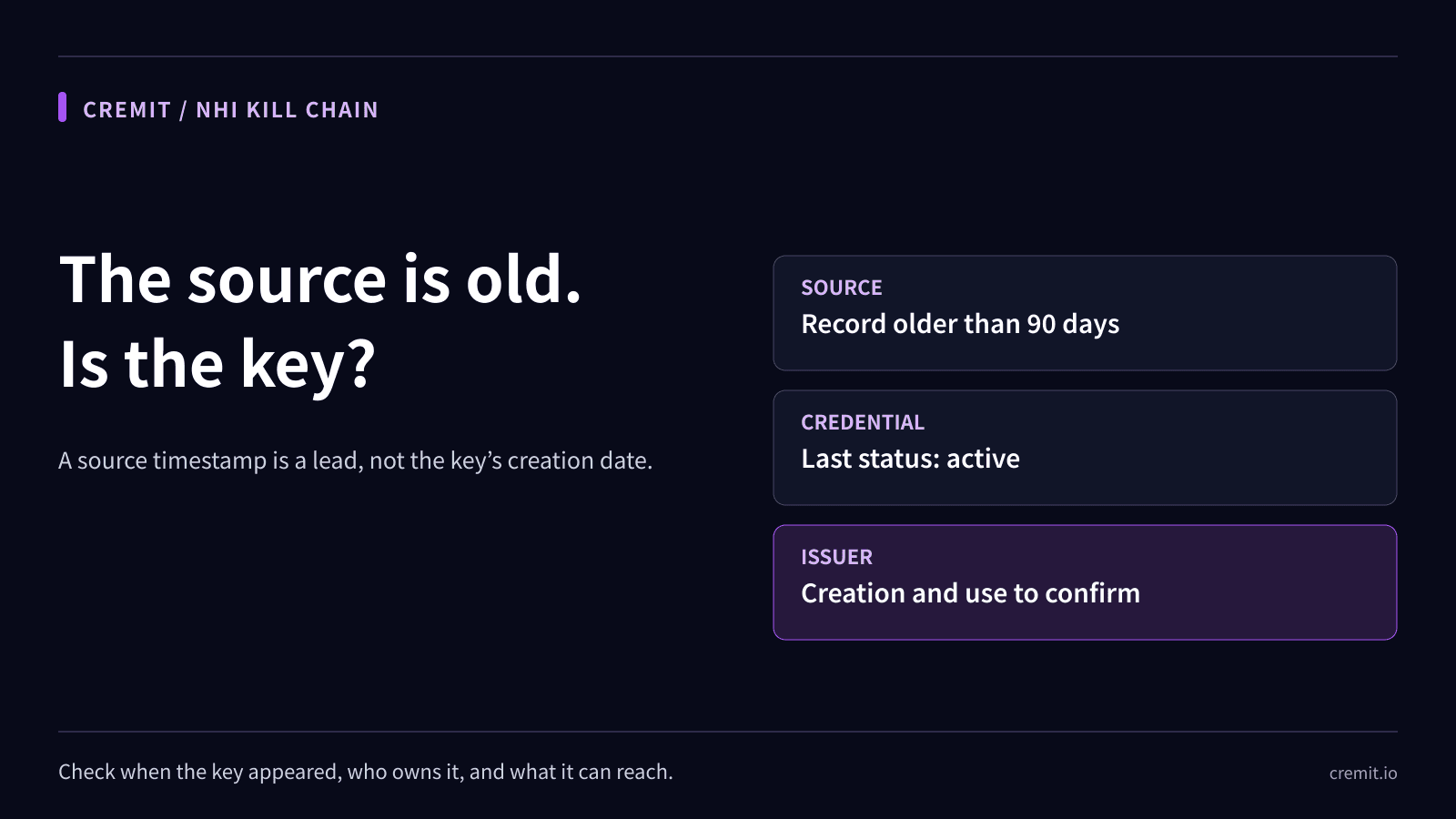
An old source record and an active key do not establish key age. Check when the value appeared, issuer status, permissions, and dependencies.
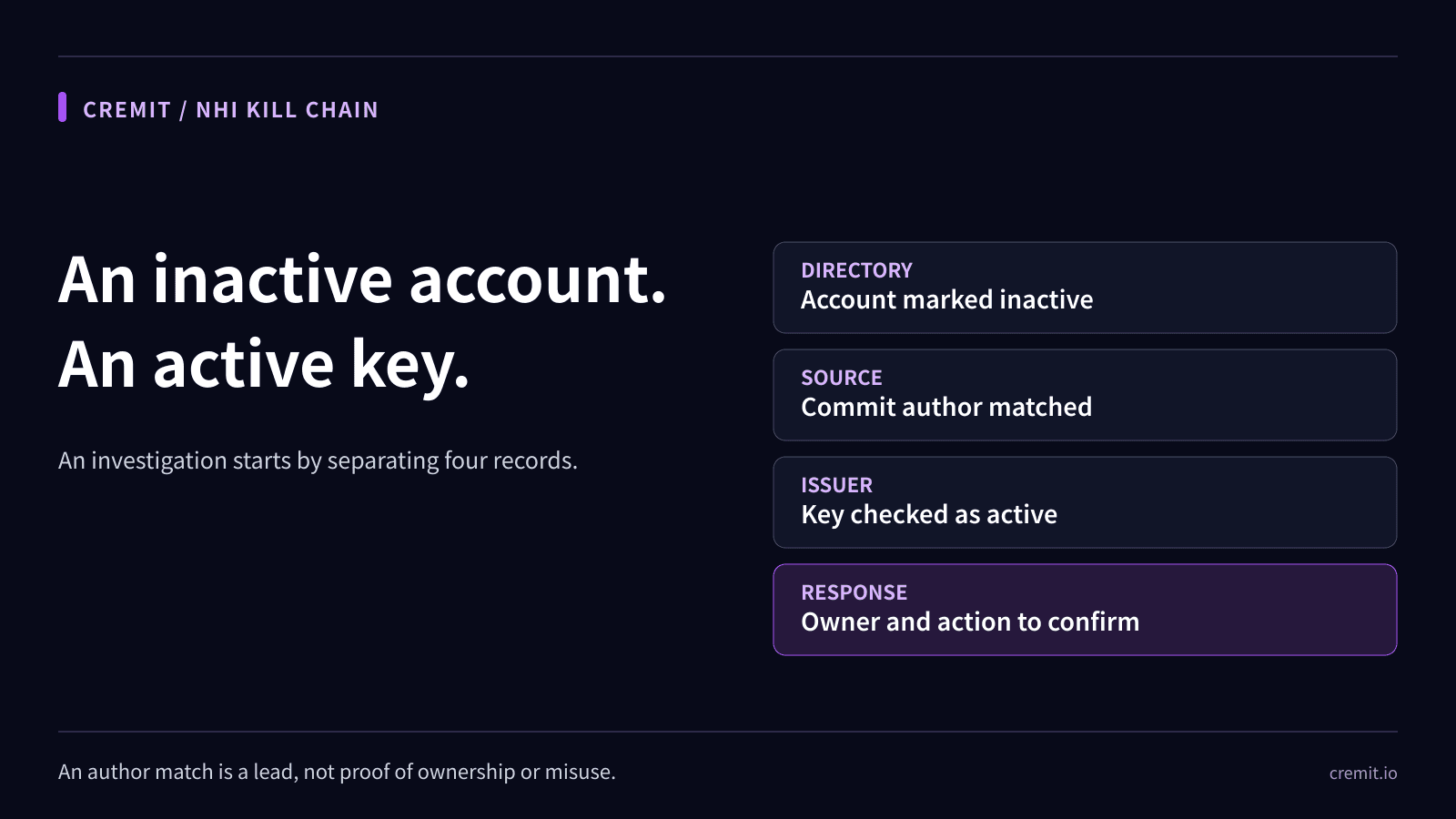
An active key linked to an inactive author is a lead. Check the directory, source, issuer, and current service owner before deciding what happened.
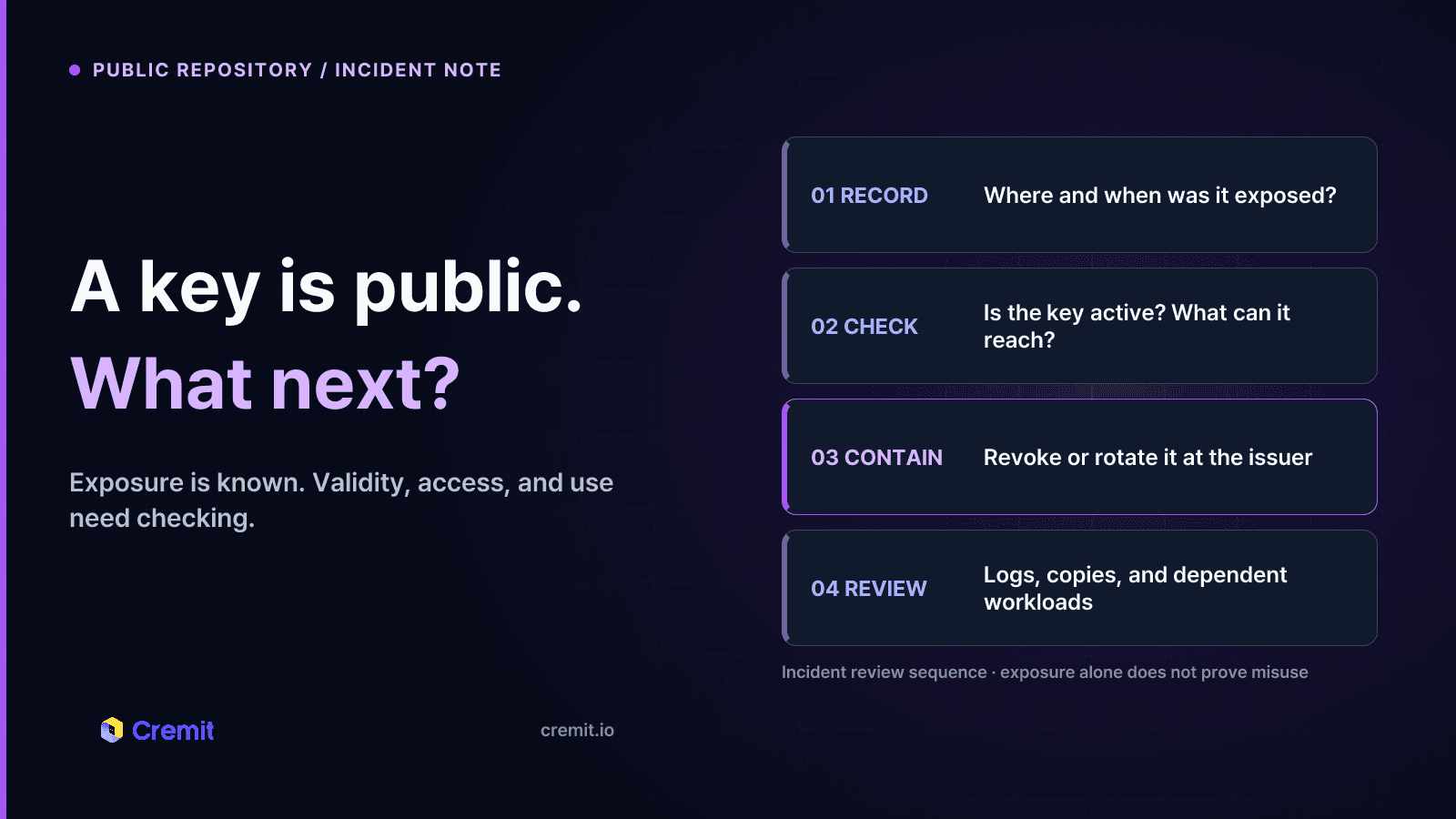
A public commit proves exposure, not misuse. Check validity, permissions, issuer logs, and dependent workloads before closing the incident.
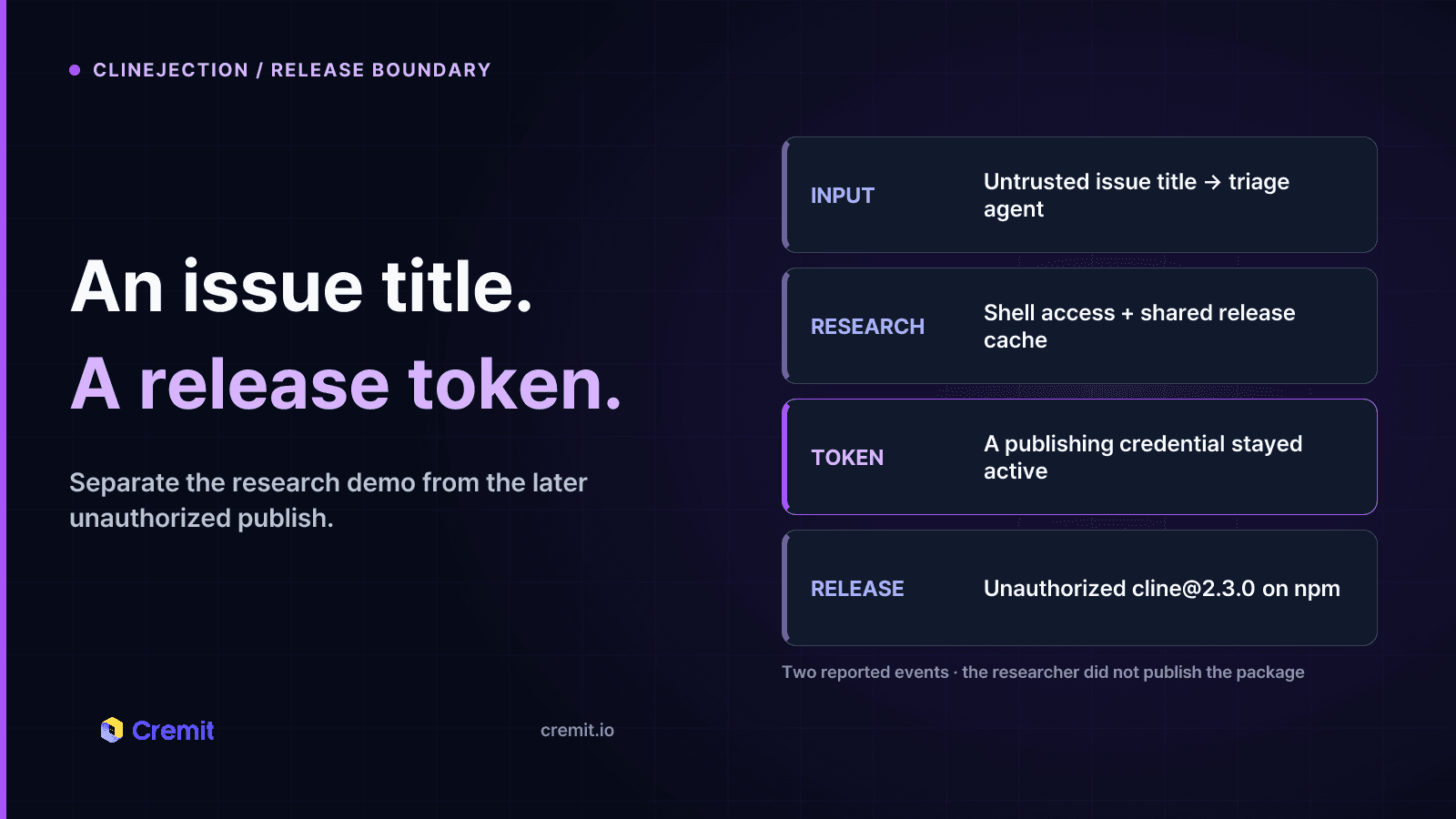
Cline’s issue-triage agent exposed a path to publishing credentials. A later unauthorized CLI release installed OpenClaw; Cline found no user data theft.
A public leak, a valid key, and evidence of misuse are different findings. Here is how to investigate each without claiming a sale you cannot prove.
Optional cookies count visits, identify visiting companies, and measure ads. You can decline. Cookie policy