NEW · Blast Radius: a field playbook for leaked API keys on AWS, GCP and Azure
Back to Blog
Category

Security

27 posts
GhostAction Analysis: How a Malicious Workflow Collects Keys from Git History
Oct 11, 2026

GhostAction Analysis: How a Malicious Workflow Collects Keys from Git History

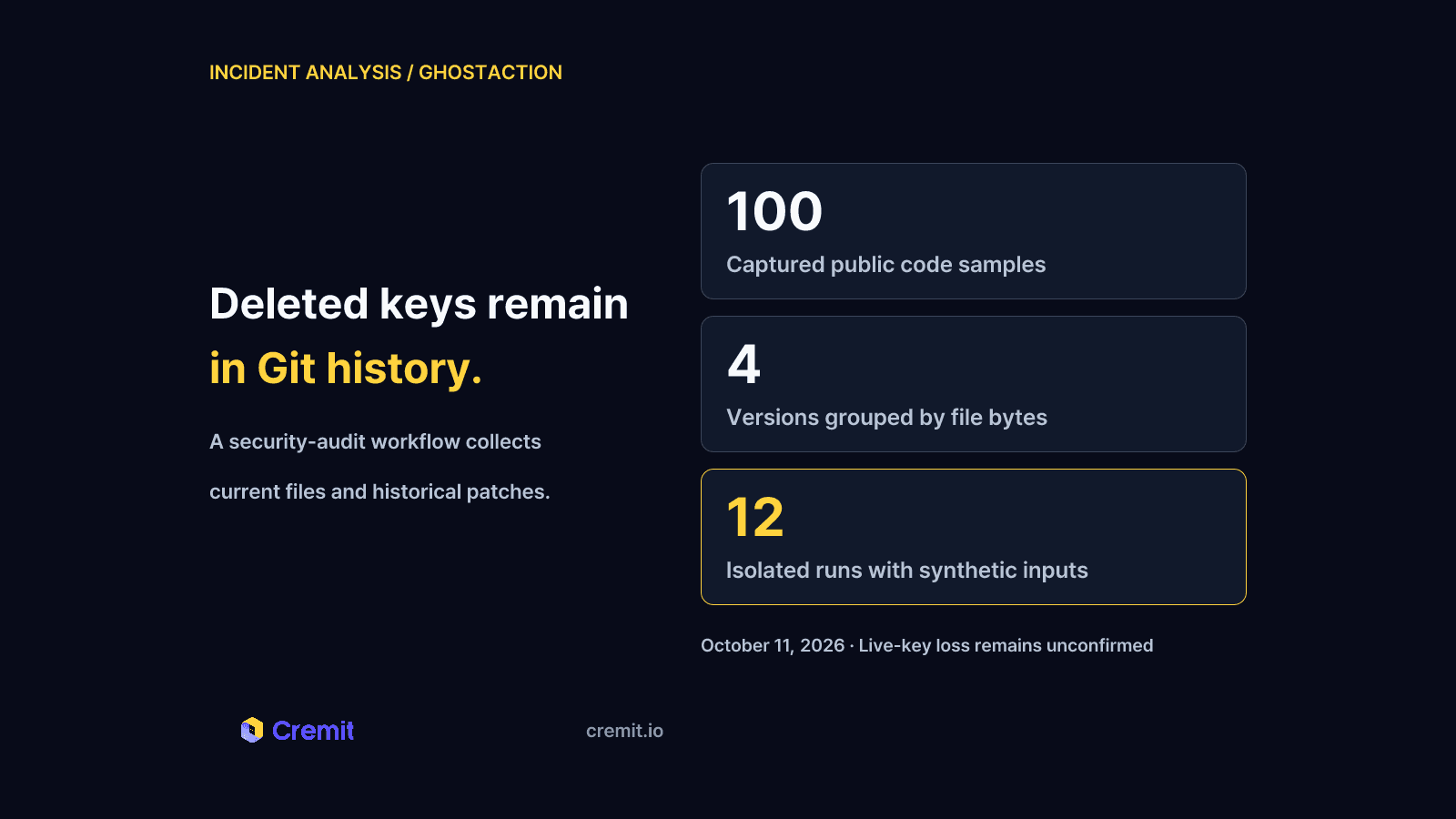
A review of 100 public workflow samples and Uber repository events shows four collector versions. We examine deleted-key collection through Git patches, successful exits after transfer failure, and credential-based response priorities.

Ben Kim
Ben Kim
MCP Servers Are Taking API Keys Through the Chat Window
Oct 7, 2026

MCP Servers Are Taking API Keys Through the Chat Window

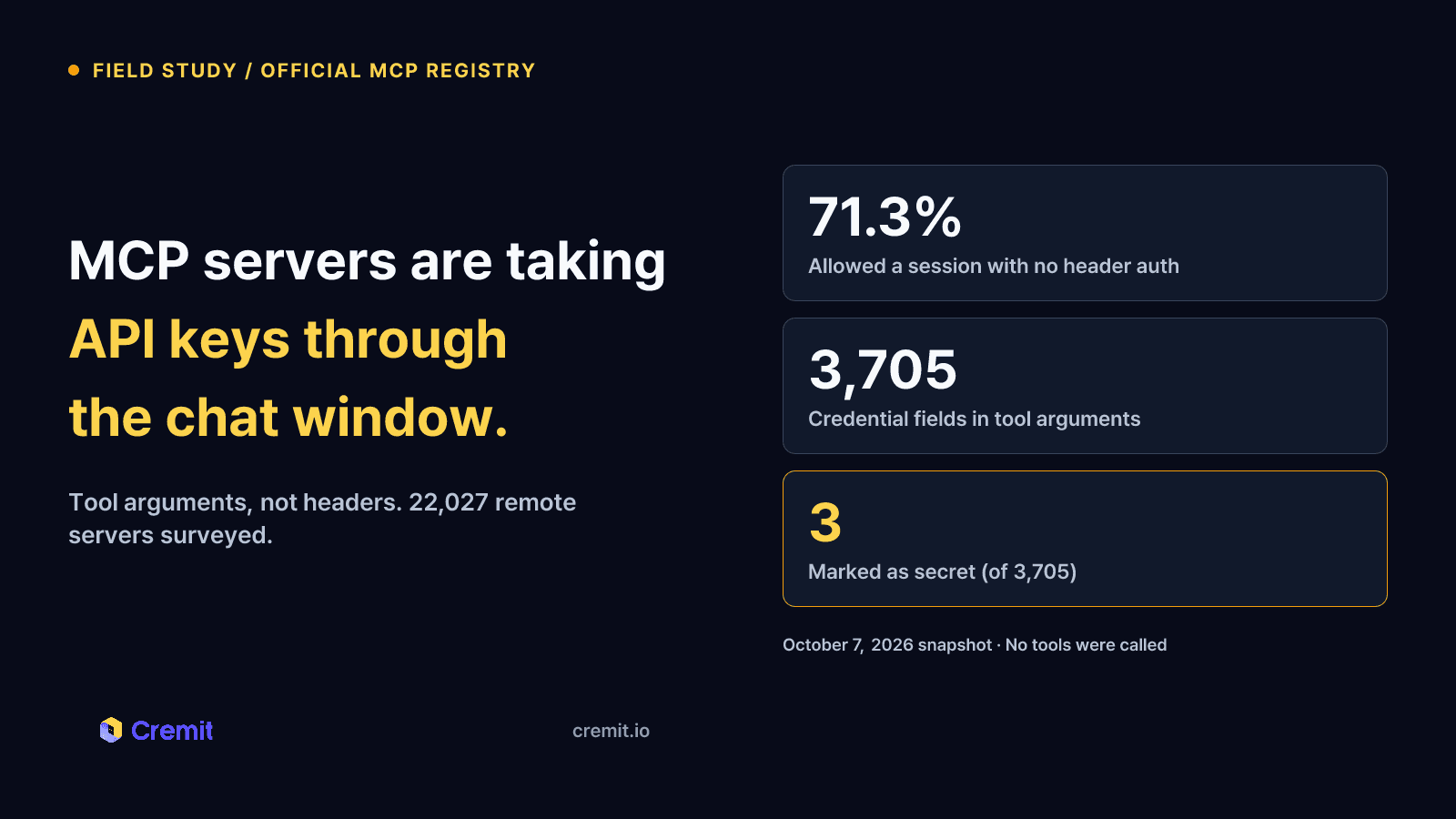
We sent one initialize request to every remote MCP server in the official registry. 71.3% of 22,027 responding servers opened a session with no header authentication, and 3,705 credential fields sit in tool arguments. Three of them are marked secret.

Ben Kim
Ben Kim
Unlisted, Not Private
Sep 18, 2026

Unlisted, Not Private

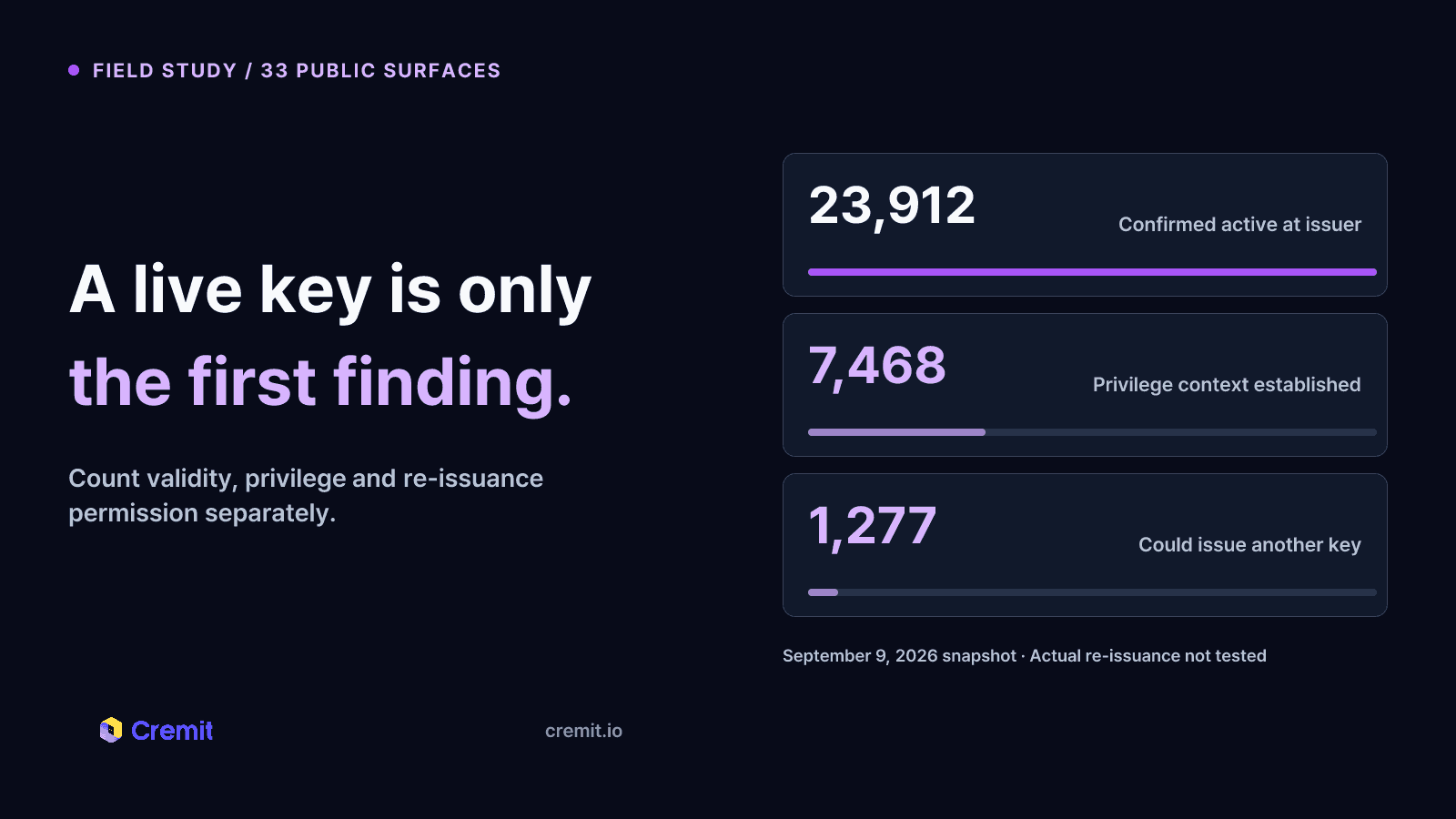
A September 2026 sweep of 33 public surfaces confirmed 23,912 active credentials. Privilege context was established for 7,468; 1,277 had permission to issue another key. Actual re-issuance was not tested.

Ben Kim
Ben Kim
How to count live credentials without confusing matches and keys
Aug 5, 2026

How to count live credentials without confusing matches and keys

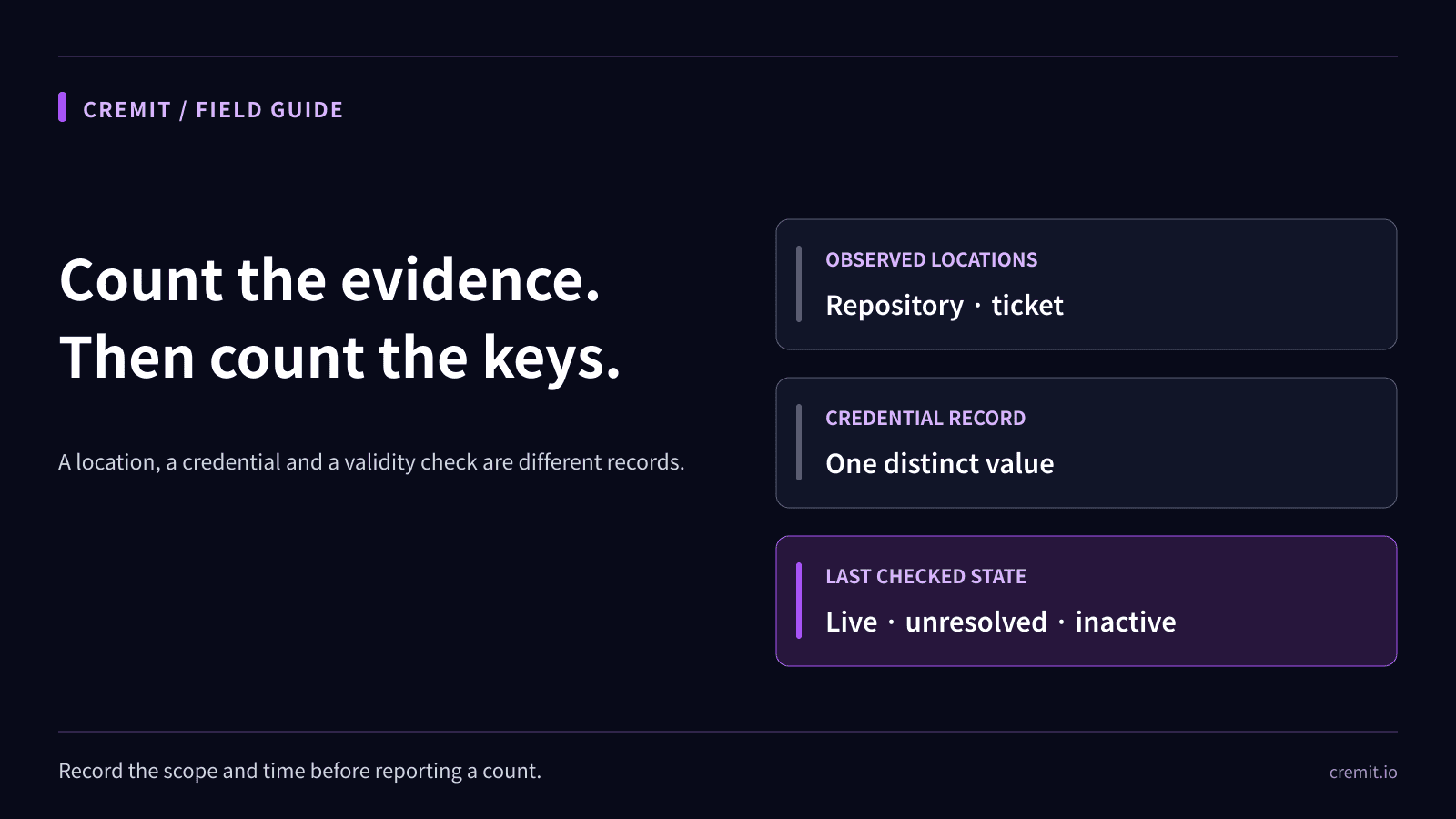
Count observed locations, distinct credential records and verification states separately. Define scope and check time before reporting exposure.

Ben Kim
Ben Kim
Secret scanning false positives: how to triage findings
Jul 22, 2026

Secret scanning false positives: how to triage findings

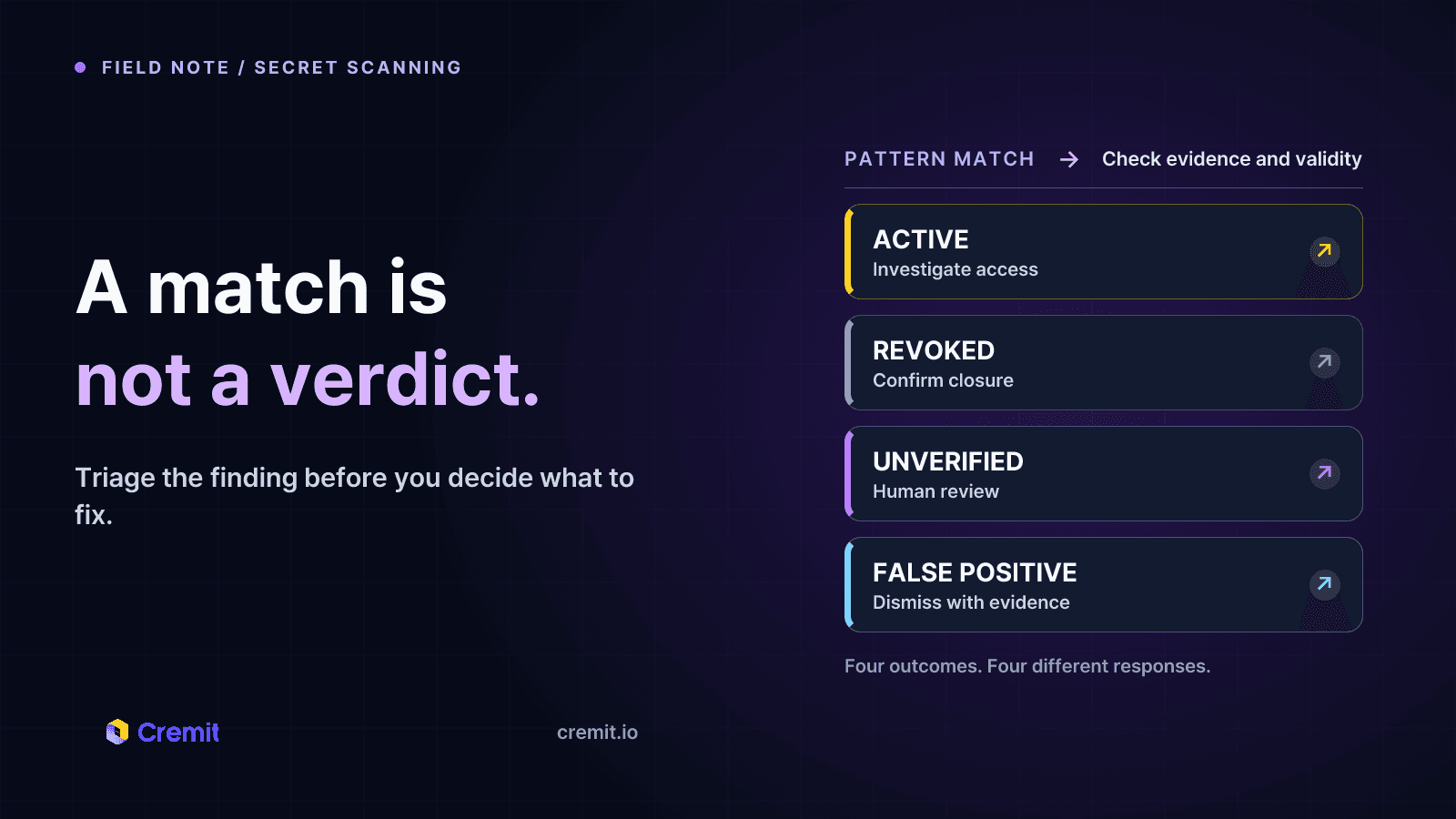
A pattern match, a revoked key, and an unverified key need different responses. Learn how to separate them and prioritize exposed credentials.

Ben Kim
Ben Kim
Your Slack Webhook Is Write-Only, Until an AI Agent Reads the Channel
Jun 13, 2026

Your Slack Webhook Is Write-Only, Until an AI Agent Reads the Channel

A leaked Slack incoming webhook is usually triaged as low severity: write-only, one channel, no data access. The moment an AI agent reads that channel and can act with tools, that write-only primitive becomes an indirect prompt injection path into the agent's privileges. Here is the full kill chain, the exact preconditions, and how to defend it.

Ben Kim
Ben Kim
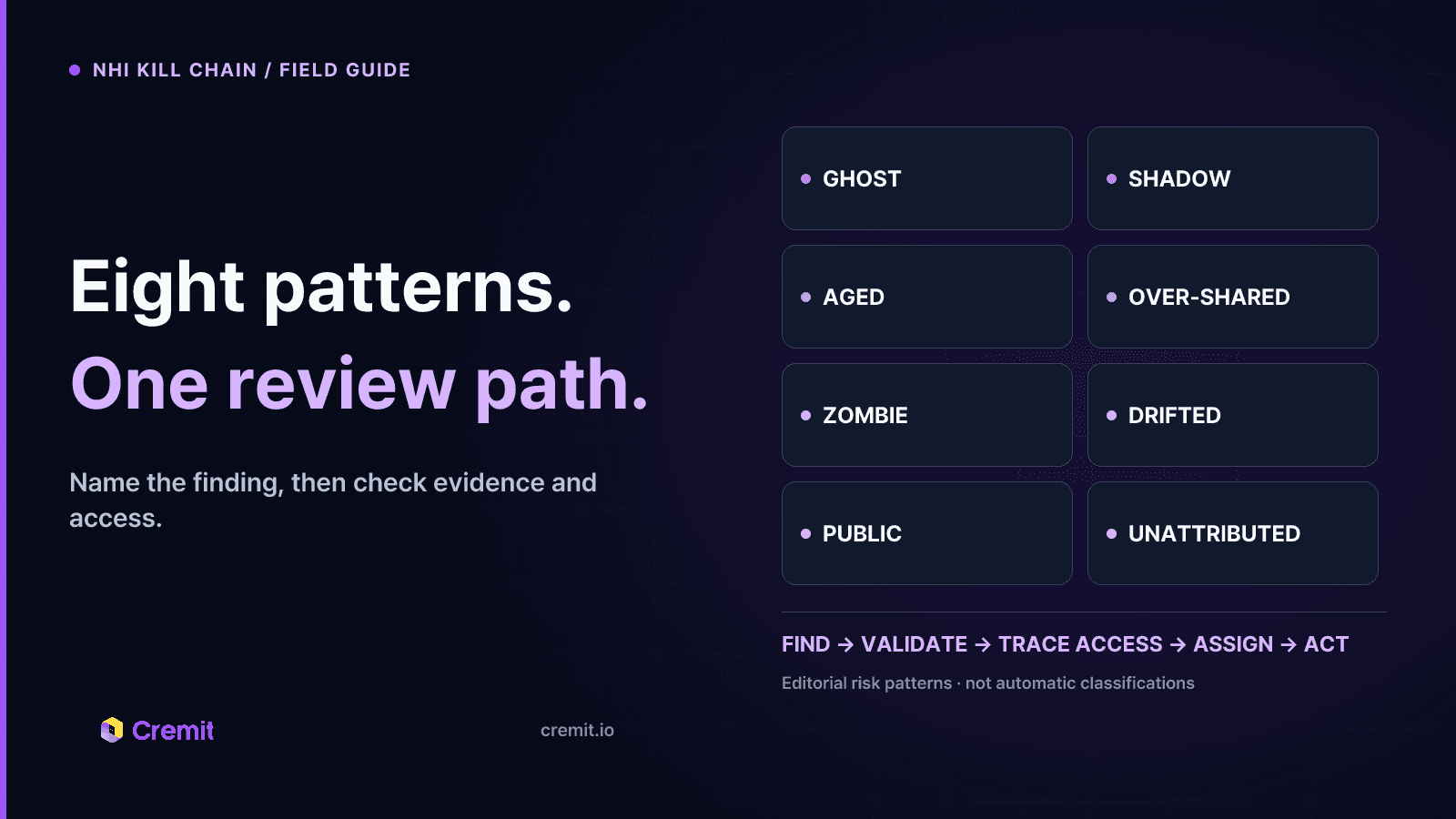
Eight credential exposure patterns and how to respond
Apr 30, 2026

Eight credential exposure patterns and how to respond

A practical summary of eight NHI credential exposure patterns, the evidence to check, and what Cremit Platform can help investigate.

Ben Kim
Ben Kim
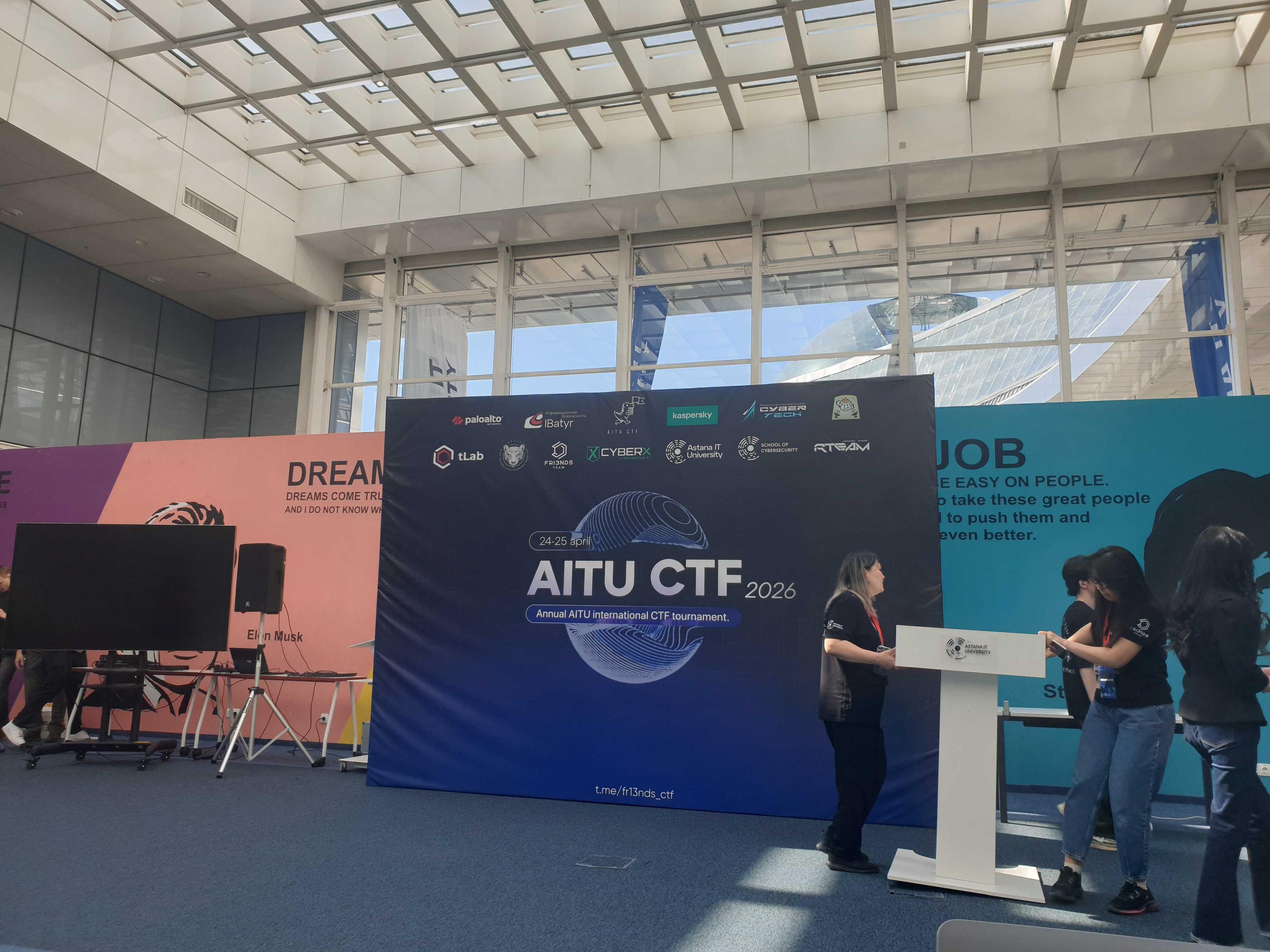
AITU CTF Final 2026 Writeup
Apr 29, 2026

AITU CTF Final 2026 Writeup

Full writeup of the AITU CTF Final (April 25-26, 2026), a HackCity-format competition. We walk through exploiting DMZ hosts via XXE, SSTI, and SQLi, pivoting into the DEV segment through AD lateral movement, escaping a privileged Docker container via cgroup abuse, and breaching a healthcare system through JWT JKU header injection.

Ethan Kim
Ethan Kim
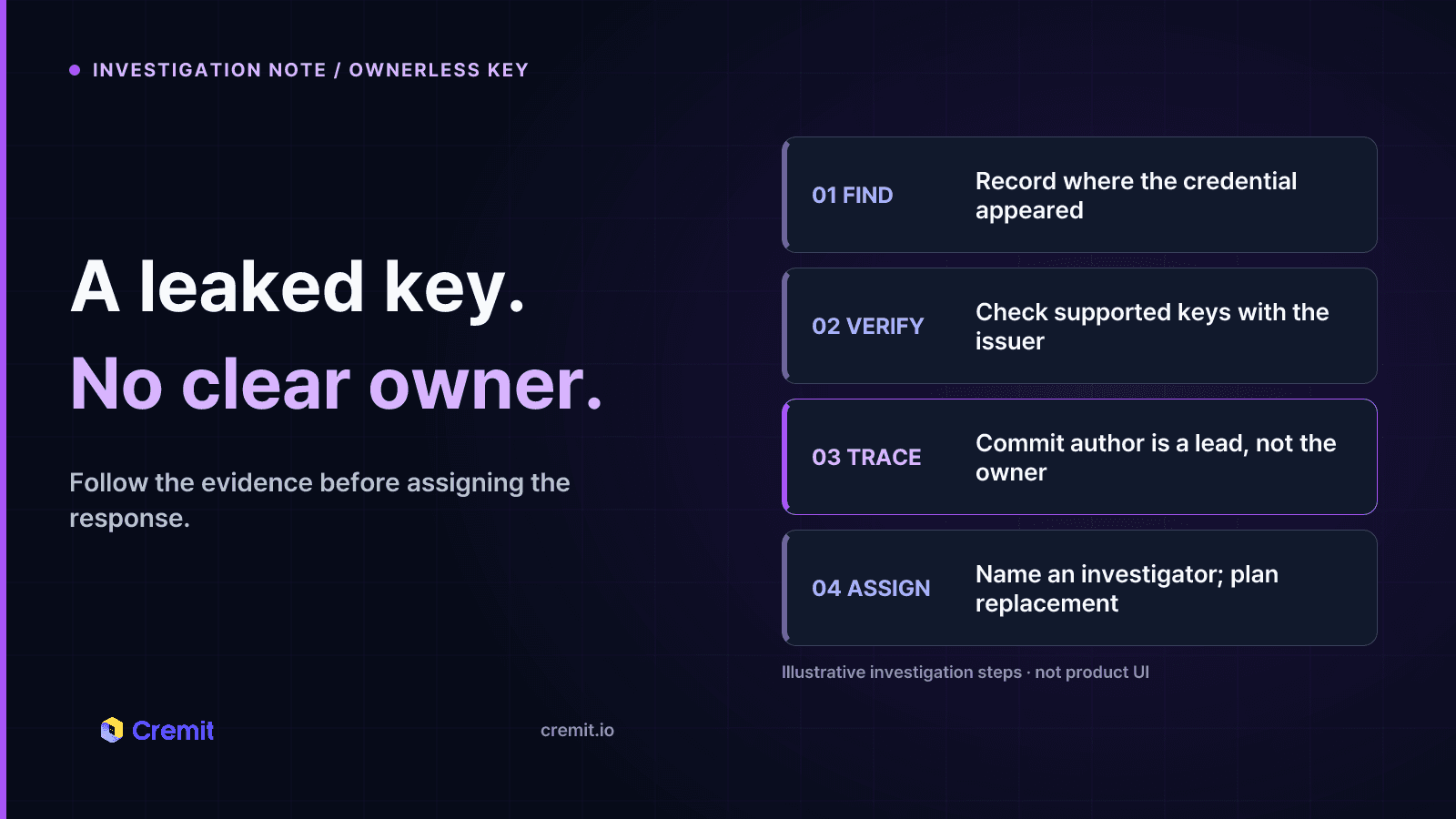
When an exposed credential has no clear owner
Apr 20, 2026

When an exposed credential has no clear owner

How to verify, investigate, assign, and replace an exposed credential when the service owner is unclear.

Ben Kim
Ben Kim
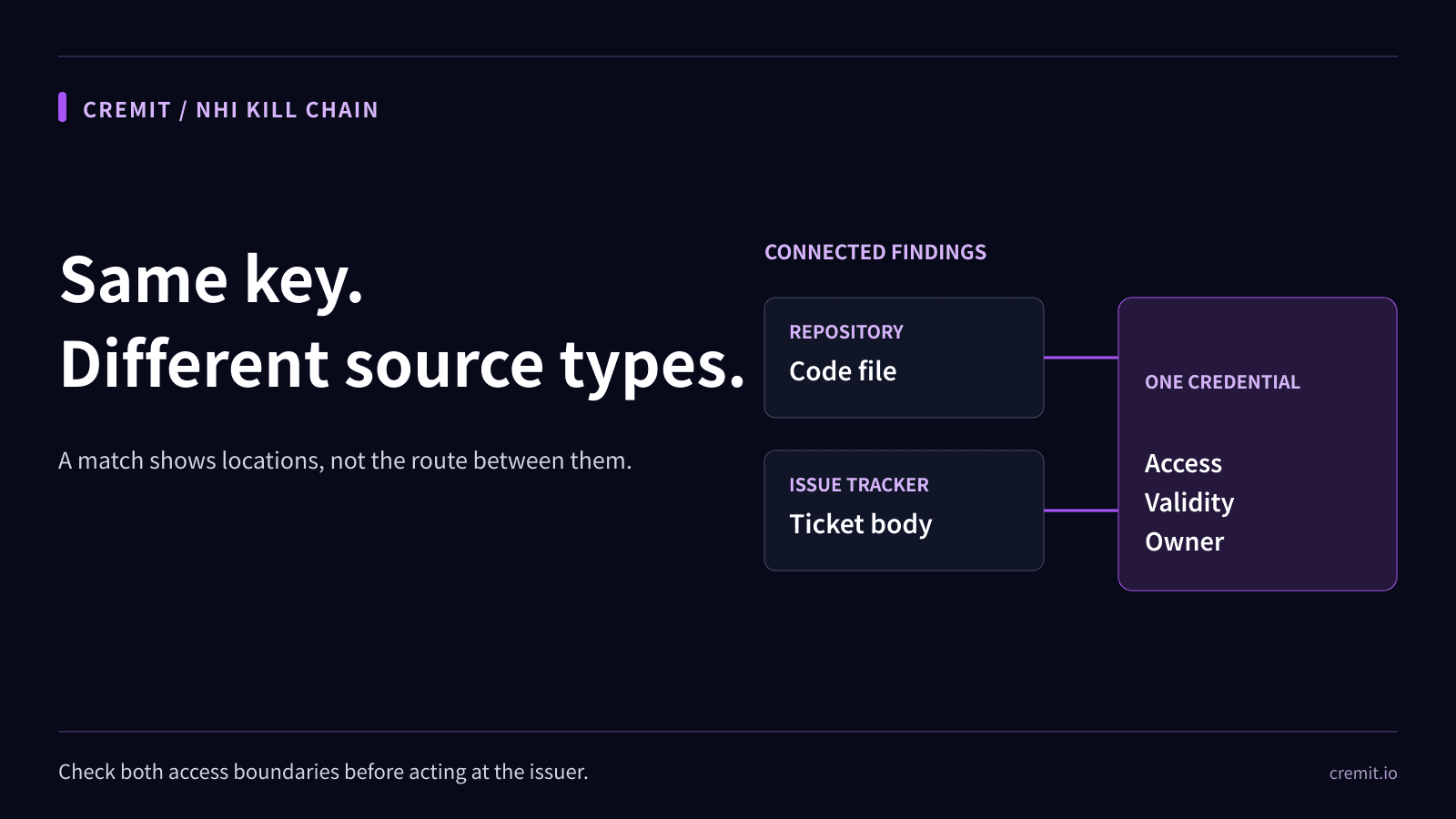
Same key in a repository and ticket: investigating cross-platform findings
Apr 17, 2026

Same key in a repository and ticket: investigating cross-platform findings

Two source types show two observed locations, not how a credential moved. Check access, issuer status, owner, and actual consumers.

Ben Kim
Ben Kim
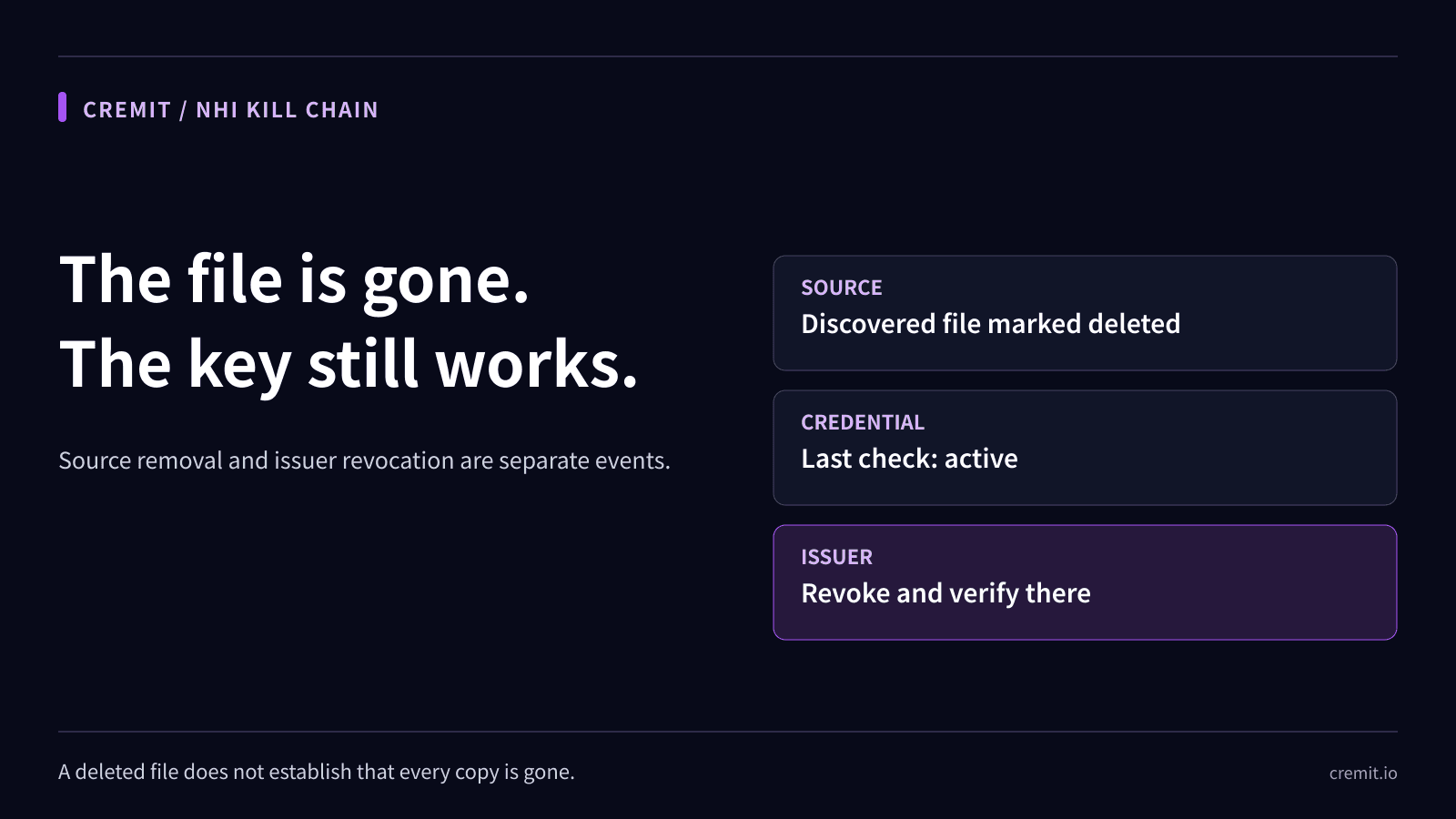
Deleted file, active credential: investigating a Zombie Key
Apr 14, 2026

Deleted file, active credential: investigating a Zombie Key

Source removal does not revoke a credential. Check the issuer, Git history, current owner, and last verification before closing the finding.

Ben Kim
Ben Kim
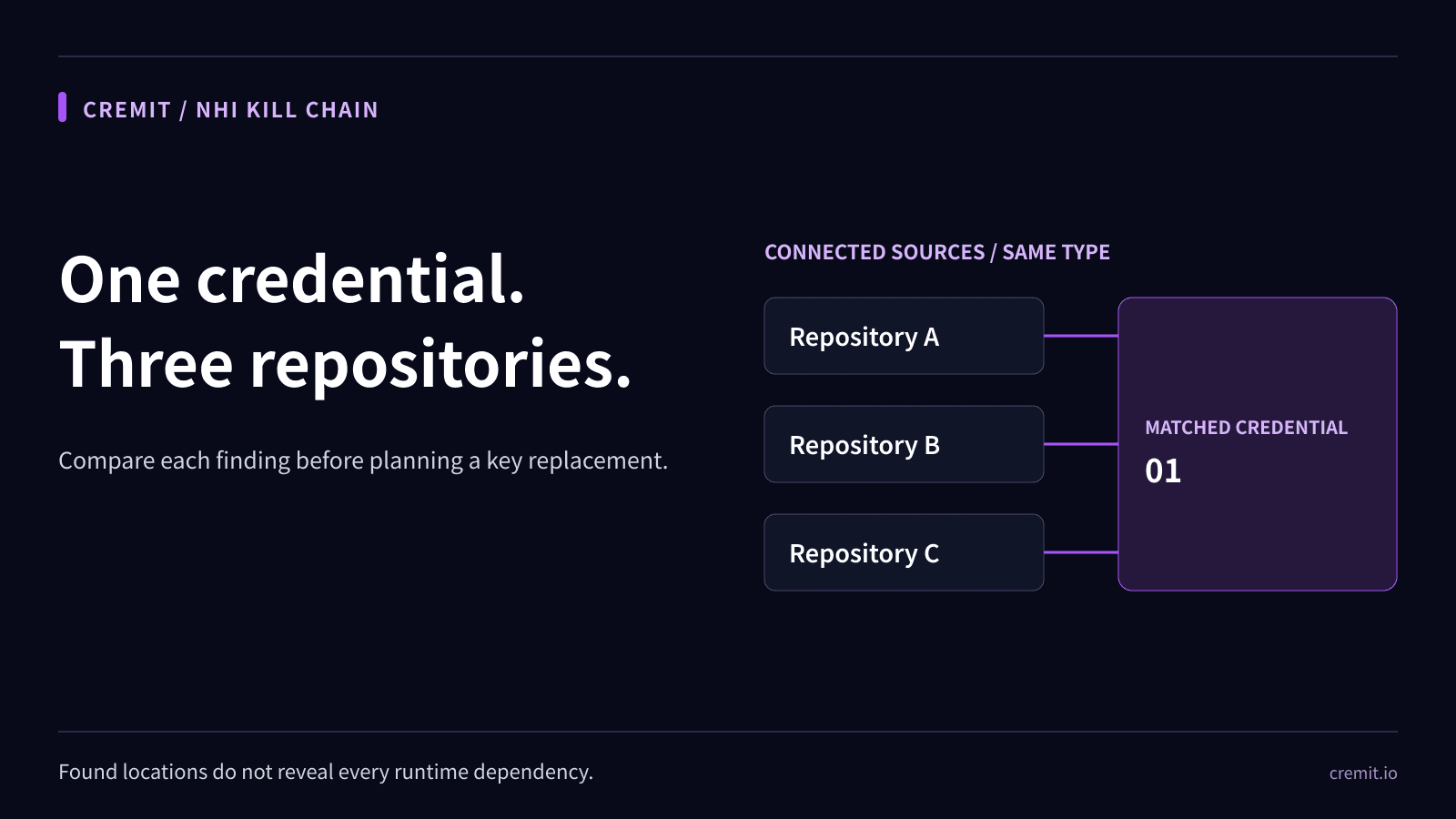
One API key in three repositories: investigating shared credentials
Apr 11, 2026

One API key in three repositories: investigating shared credentials

Three observed locations are not a complete dependency map. Check key type, issuer status, permissions, and actual consumers before replacement.

Ben Kim
Ben Kim
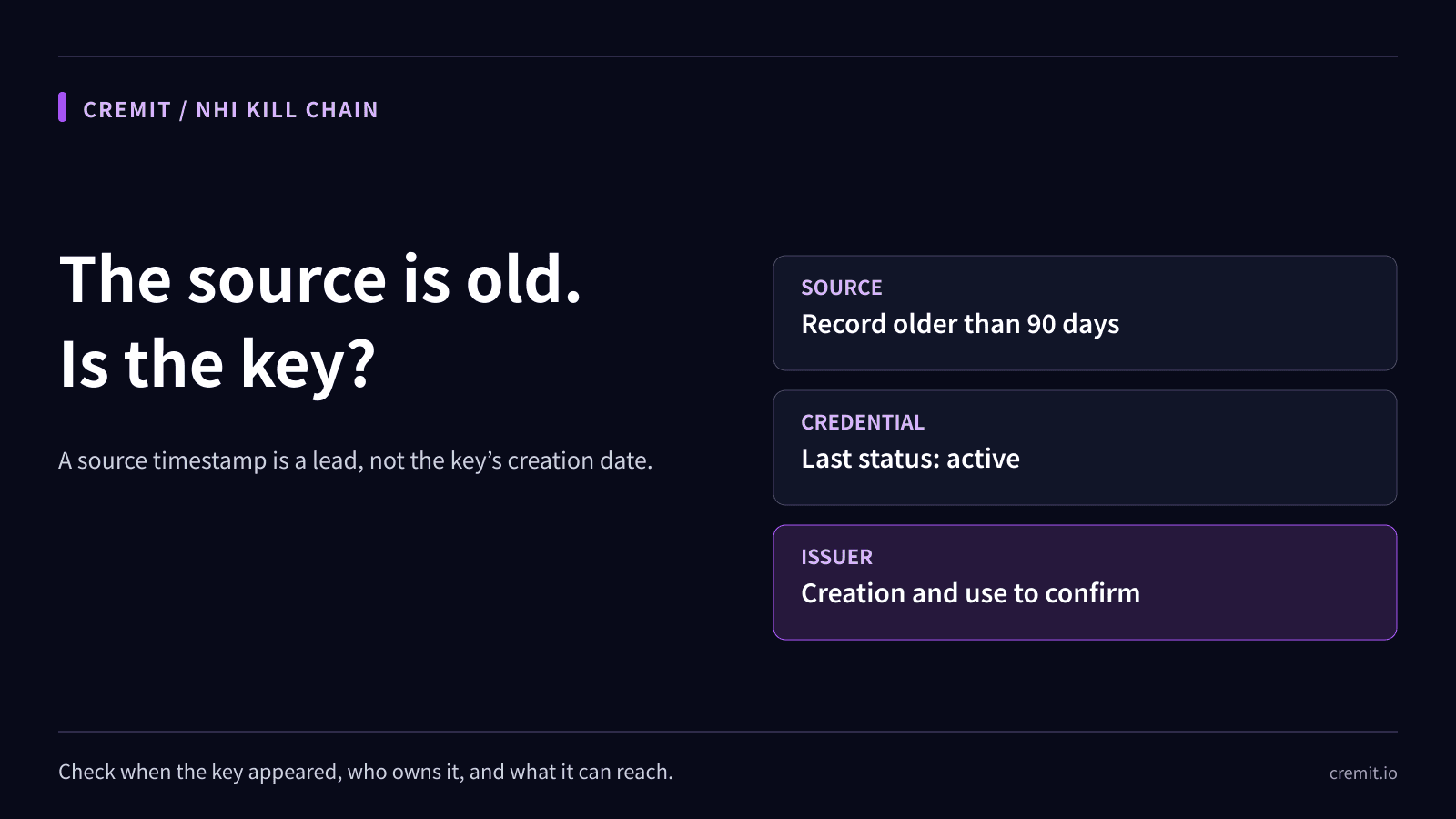
Long-exposed credentials: what a 90-day source record tells you
Apr 10, 2026

Long-exposed credentials: what a 90-day source record tells you

An old source record and an active key do not establish key age. Check when the value appeared, issuer status, permissions, and dependencies.

Ben Kim
Ben Kim
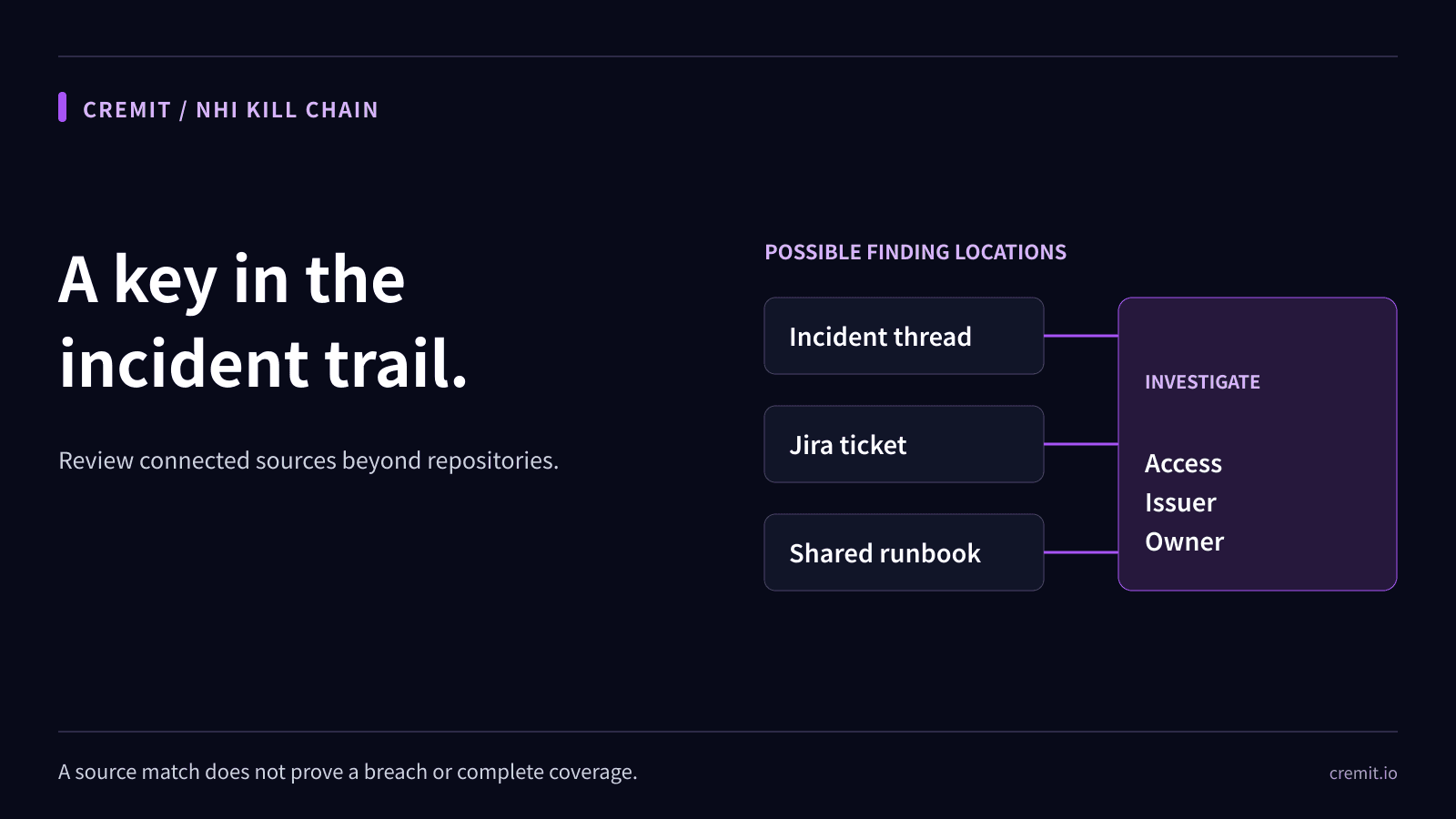
API keys in incident chats and tickets: what to investigate
Apr 5, 2026

API keys in incident chats and tickets: what to investigate

A credential outside a repository needs a source-access review, issuer check, owner, and verified response. A finding alone does not prove misuse.

Ben Kim
Ben Kim
Orphaned API keys after offboarding: what the evidence shows
Apr 2, 2026

Orphaned API keys after offboarding: what the evidence shows

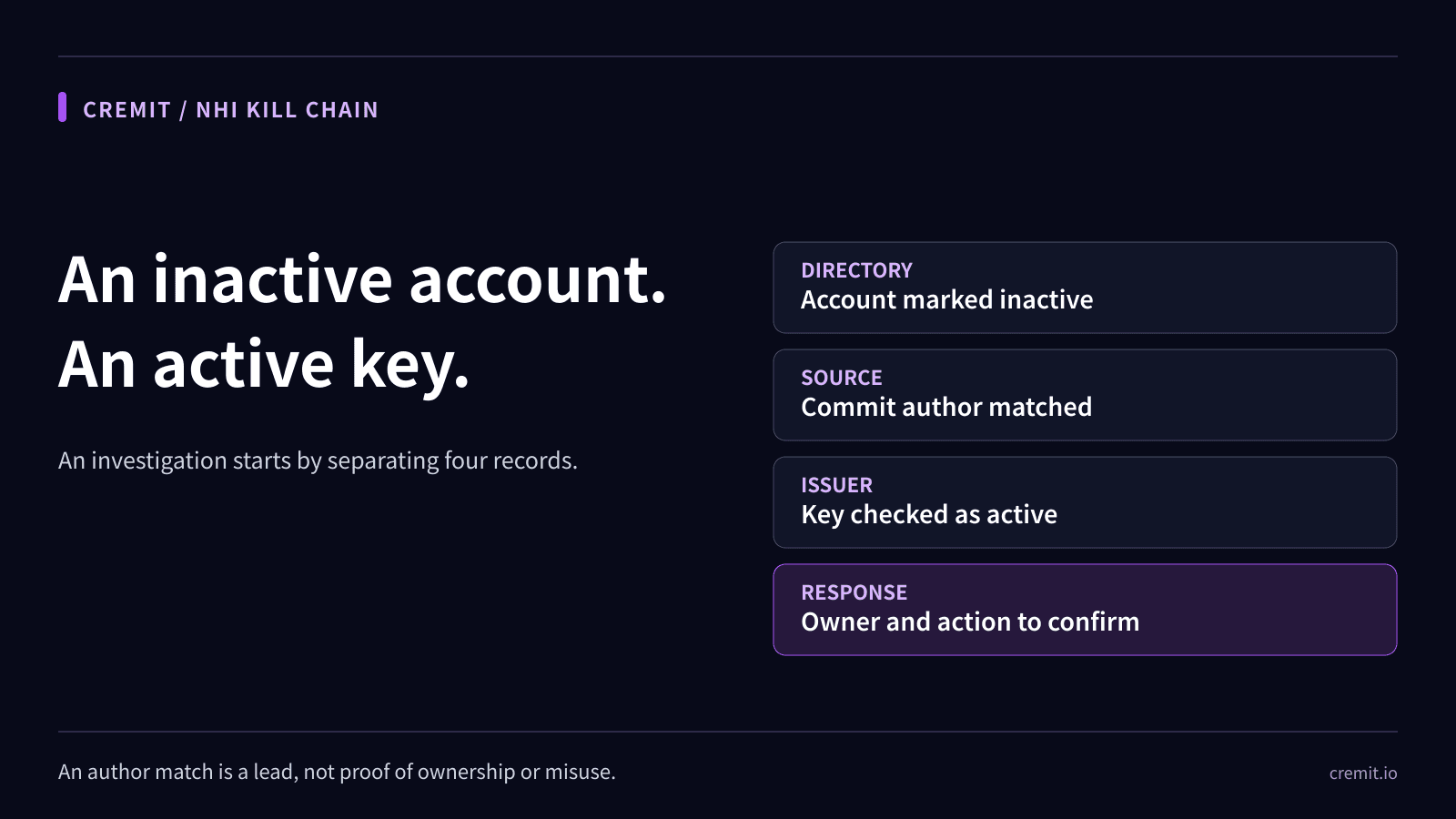
An active key linked to an inactive author is a lead. Check the directory, source, issuer, and current service owner before deciding what happened.

Ben Kim
Ben Kim
When the Security Scanner Became the Weapon: A Cyber Kill Chain Analysis of the Trivy Supply Chain Attack
Mar 25, 2026

When the Security Scanner Became the Weapon: A Cyber Kill Chain Analysis of the Trivy Supply Chain Attack

Aqua Security's Trivy was compromised by TeamPCP, cascading into LiteLLM. A 7-phase Cyber Kill Chain and MITRE ATT&CK analysis of how incomplete credential rotation turned a single breach into a five-ecosystem catastrophe.

Ben Kim
Ben Kim
Public API key in a repository: what to check first
Mar 17, 2026

Public API key in a repository: what to check first

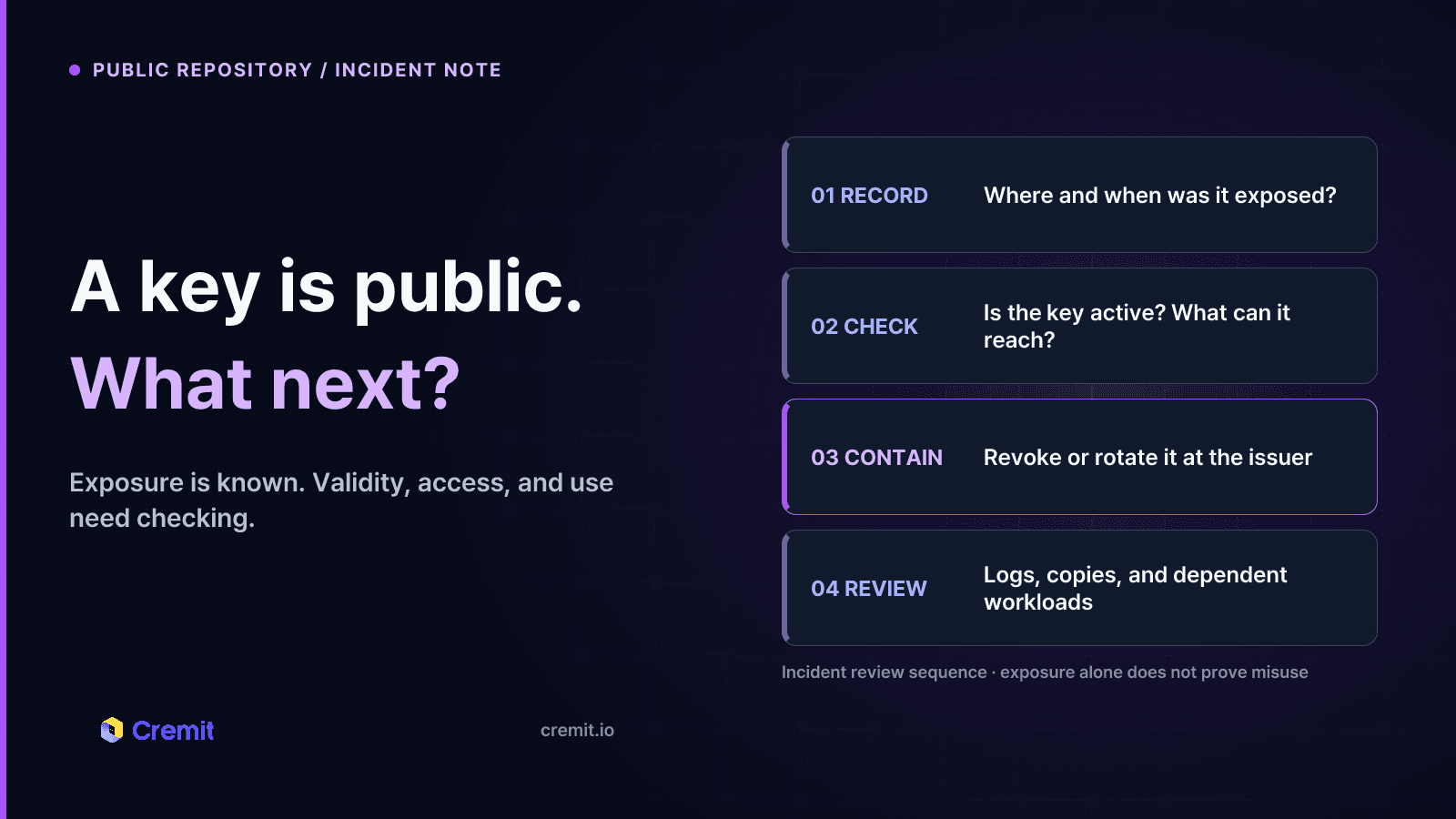
A public commit proves exposure, not misuse. Check validity, permissions, issuer logs, and dependent workloads before closing the incident.

Ben Kim
Ben Kim
Git secret scanning in 2026: coverage, setup, and response
Jan 26, 2026

Git secret scanning in 2026: coverage, setup, and response

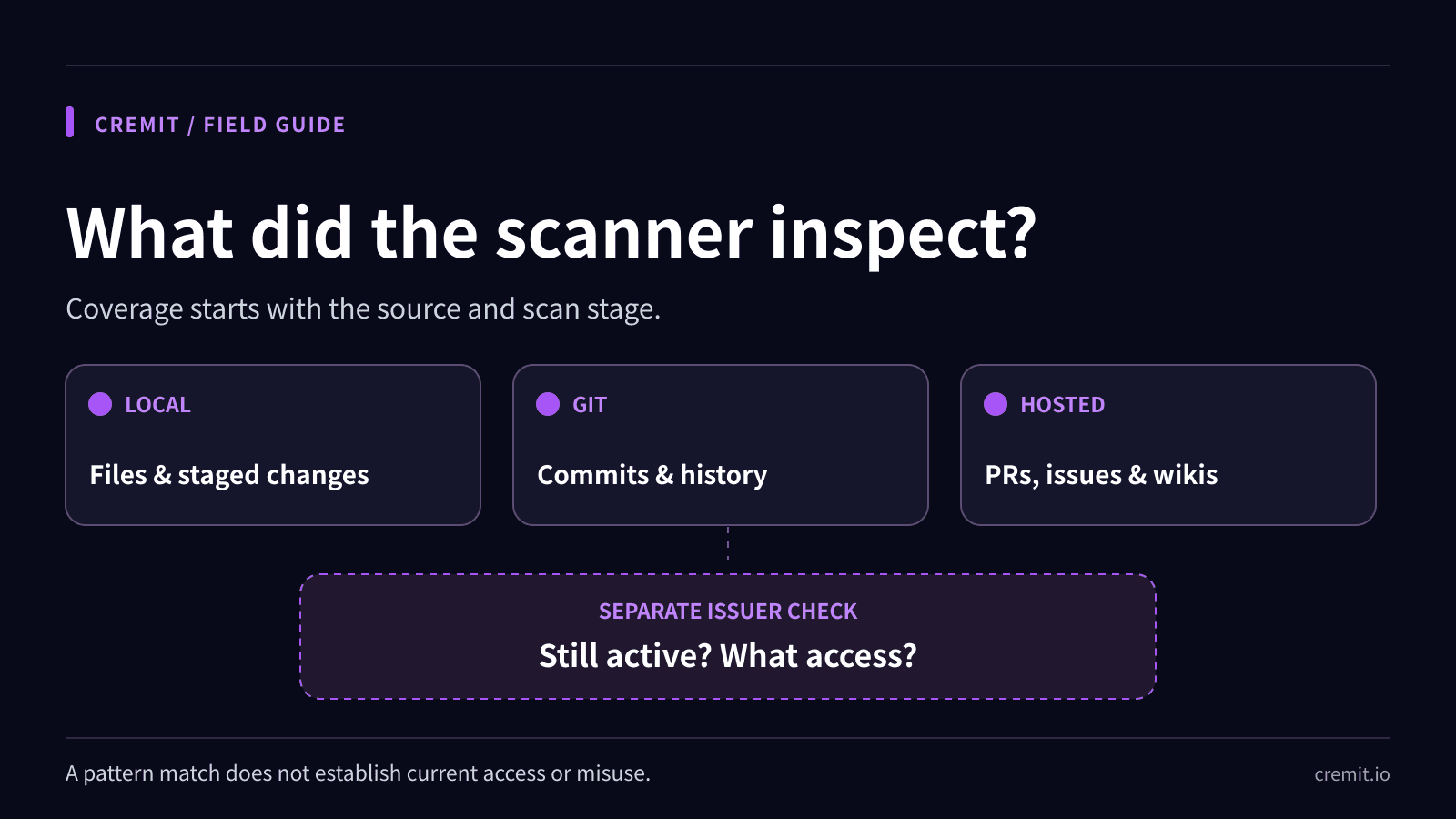
A practical guide to push protection, history scans, validity checks, and issuer-side response, with GitHub, GitLab, and Gitleaks source links.

Ben Kim
Ben Kim
Vercel secret exposure: check your Next.js browser bundle
Apr 27, 2025

Vercel secret exposure: check your Next.js browser bundle

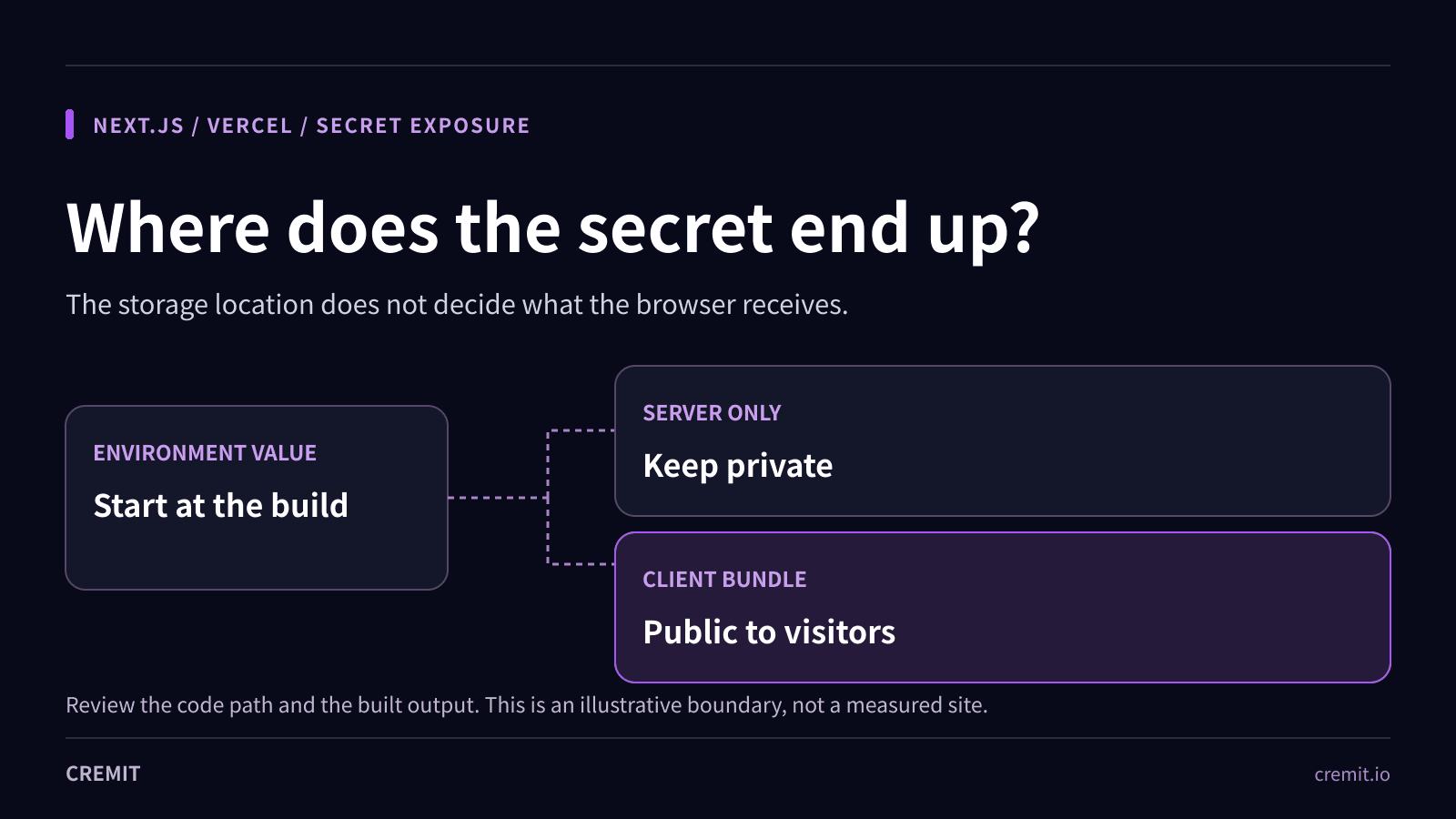
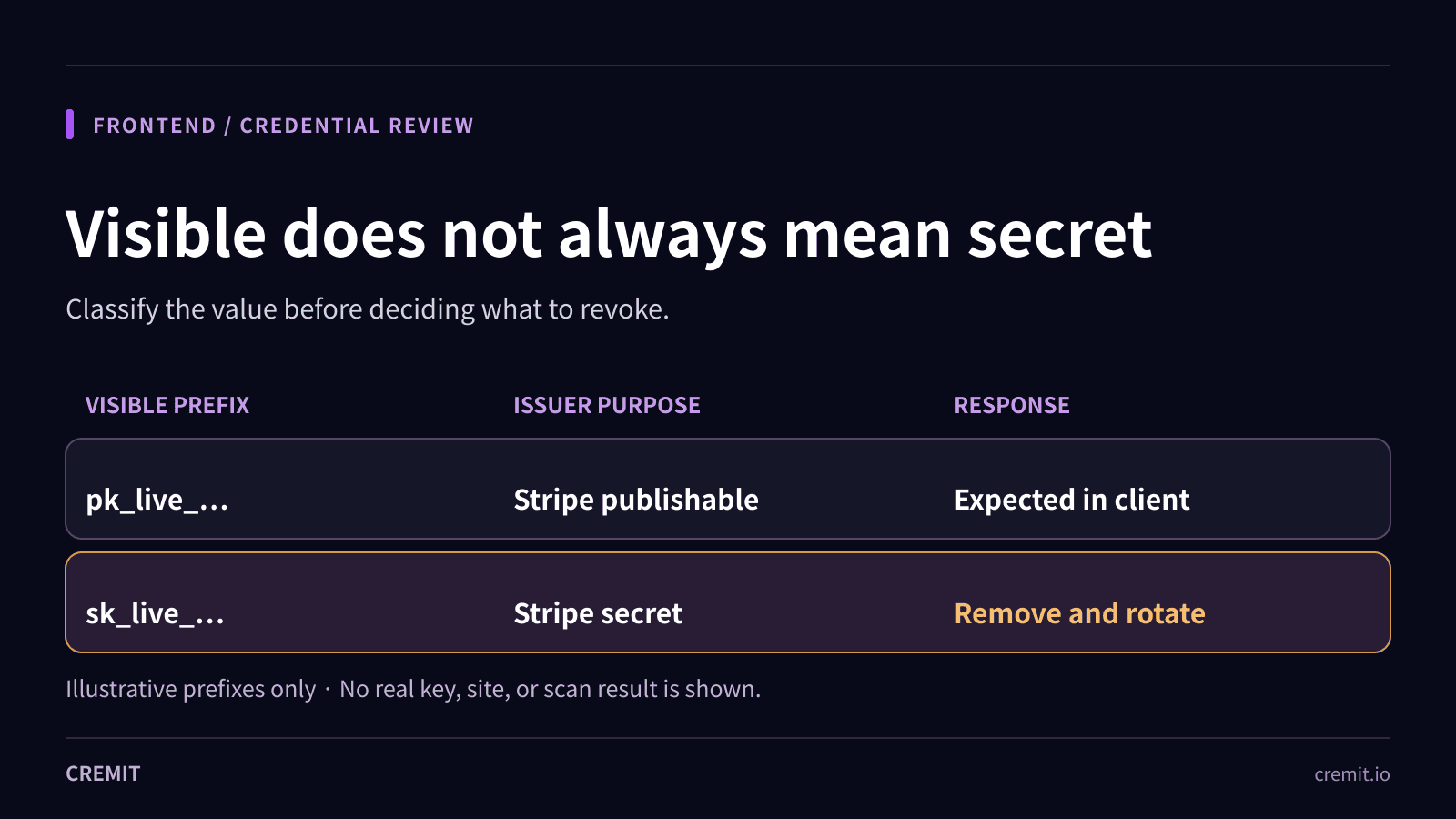
Find where Next.js puts environment values in client output, distinguish public and secret Stripe keys, and replace a key exposed in a deployment.

Ben Kim
Ben Kim
Human vs. non-human identity: what changes in access review?
Apr 1, 2025

Human vs. non-human identity: what changes in access review?

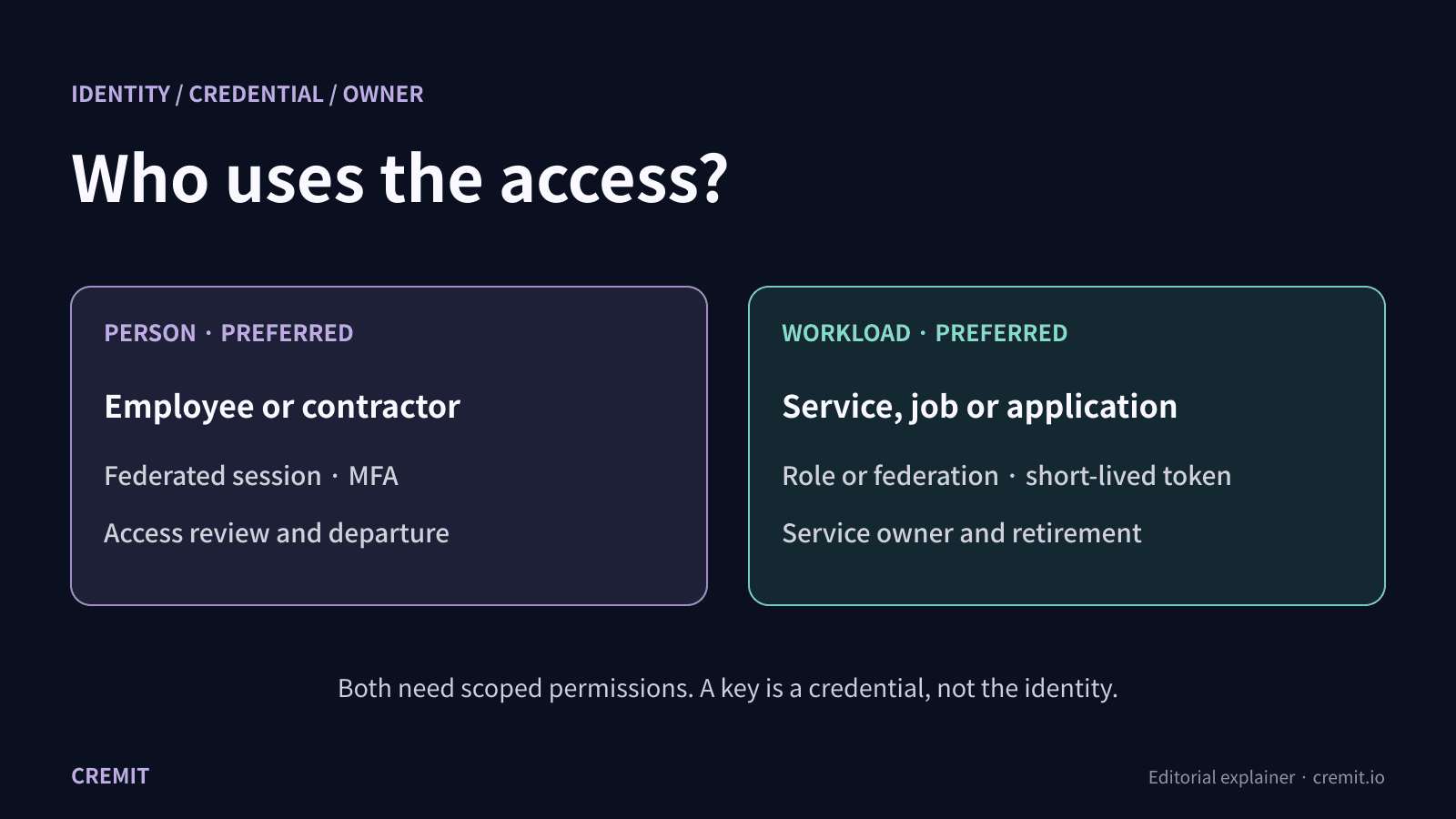
A person and a workload can both have privileged access. Compare the principal, credential, owner and offboarding record you need to review each one.

Ben Kim
Ben Kim
Wake-Up Call: tj-actions/changed-files Compromised NHIs
Mar 25, 2025

Wake-Up Call: tj-actions/changed-files Compromised NHIs

A GitHub Action used by more than 23,000 repositories was altered and its version tags retagged, leaking CI/CD secrets into build logs. The incident read as an NHI failure.

Ben Kim
Ben Kim
How to find hidden credentials in code and shared tools
Mar 18, 2025

How to find hidden credentials in code and shared tools

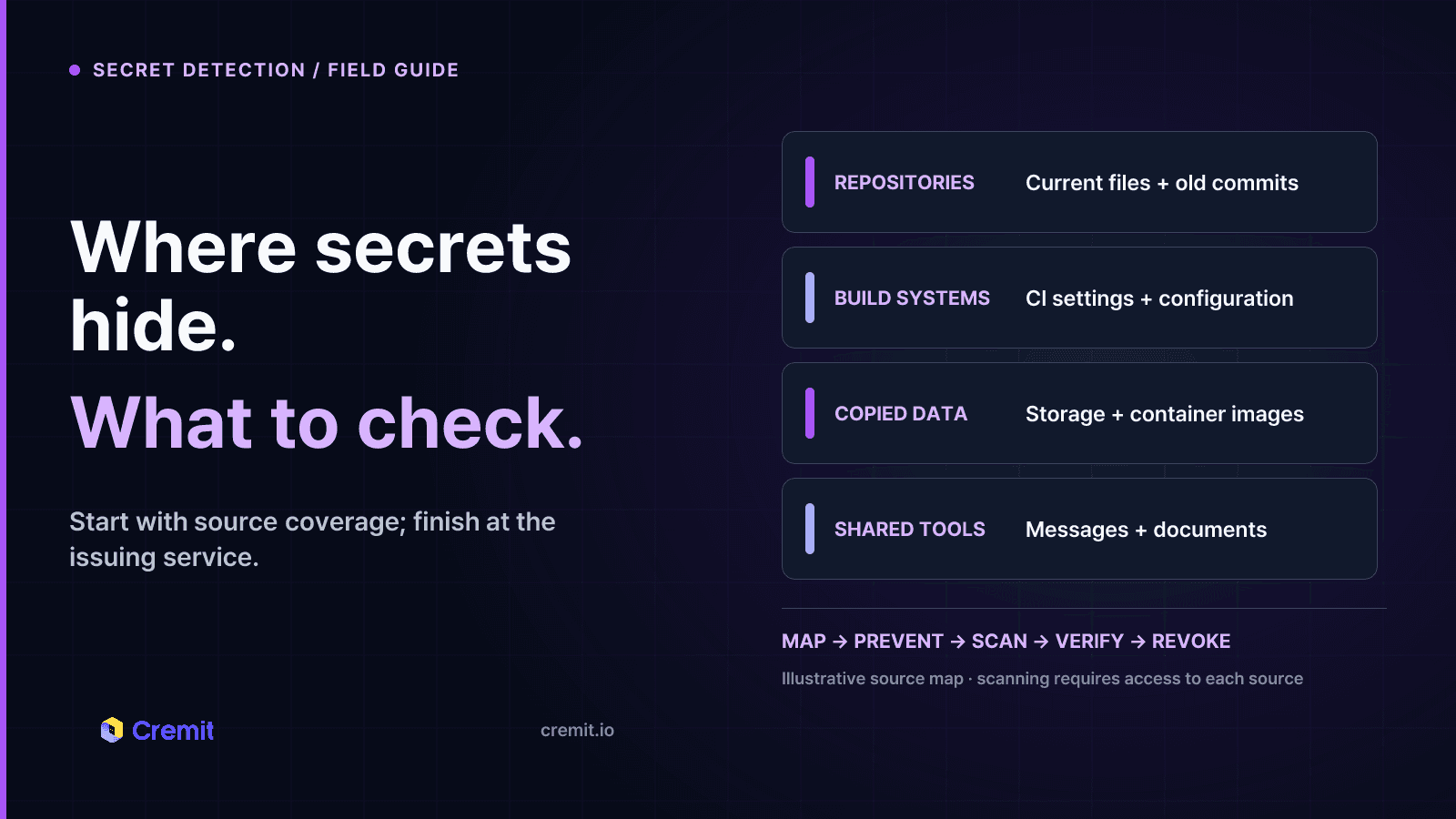
A practical workflow for preventing, finding, verifying, and replacing exposed credentials across code and shared tools.

Ben Kim
Ben Kim
Six checks for securing workload credentials
Dec 5, 2024

Six checks for securing workload credentials

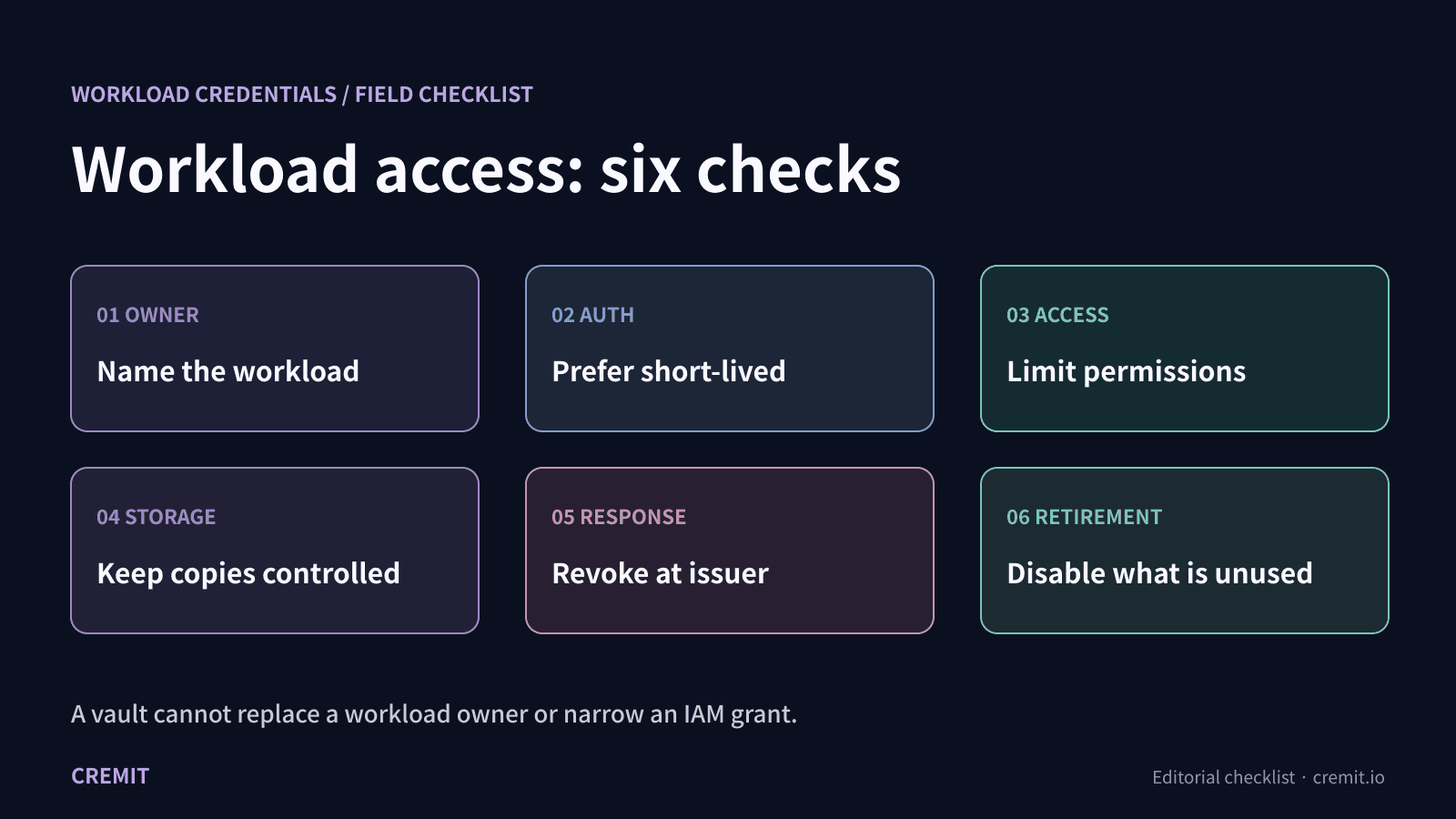
Before adding another key or vault entry, identify the workload, prefer temporary access, bound its permissions, plan exposure response and retire unused identities.

Ben Kim
Ben Kim
Frontend API key leaks: classify and investigate browser output
Nov 17, 2024

Frontend API key leaks: classify and investigate browser output

A browser-visible key may be public by design or an active secret. Use issuer key types, a documented Resend case, and build evidence to decide.

Ben Kim
Ben Kim
Cremit Joins AWS SaaS Spotlight Program
Nov 6, 2024

Cremit Joins AWS SaaS Spotlight Program

Cremit has joined the AWS SaaS Spotlight program for early-stage SaaS startups in Asia Pacific.

Ben Kim
Ben Kim
DevSecOps starts with a credential your team can actually fix
Mar 18, 2024

DevSecOps starts with a credential your team can actually fix

A practical rollout for credential detection across repositories and collaboration tools, with clear owners and honest scan timing.

Ben Kim
Ben Kim
Secret sprawl and workload identity sprawl: two different lists
Oct 22, 2023

Secret sprawl and workload identity sprawl: two different lists

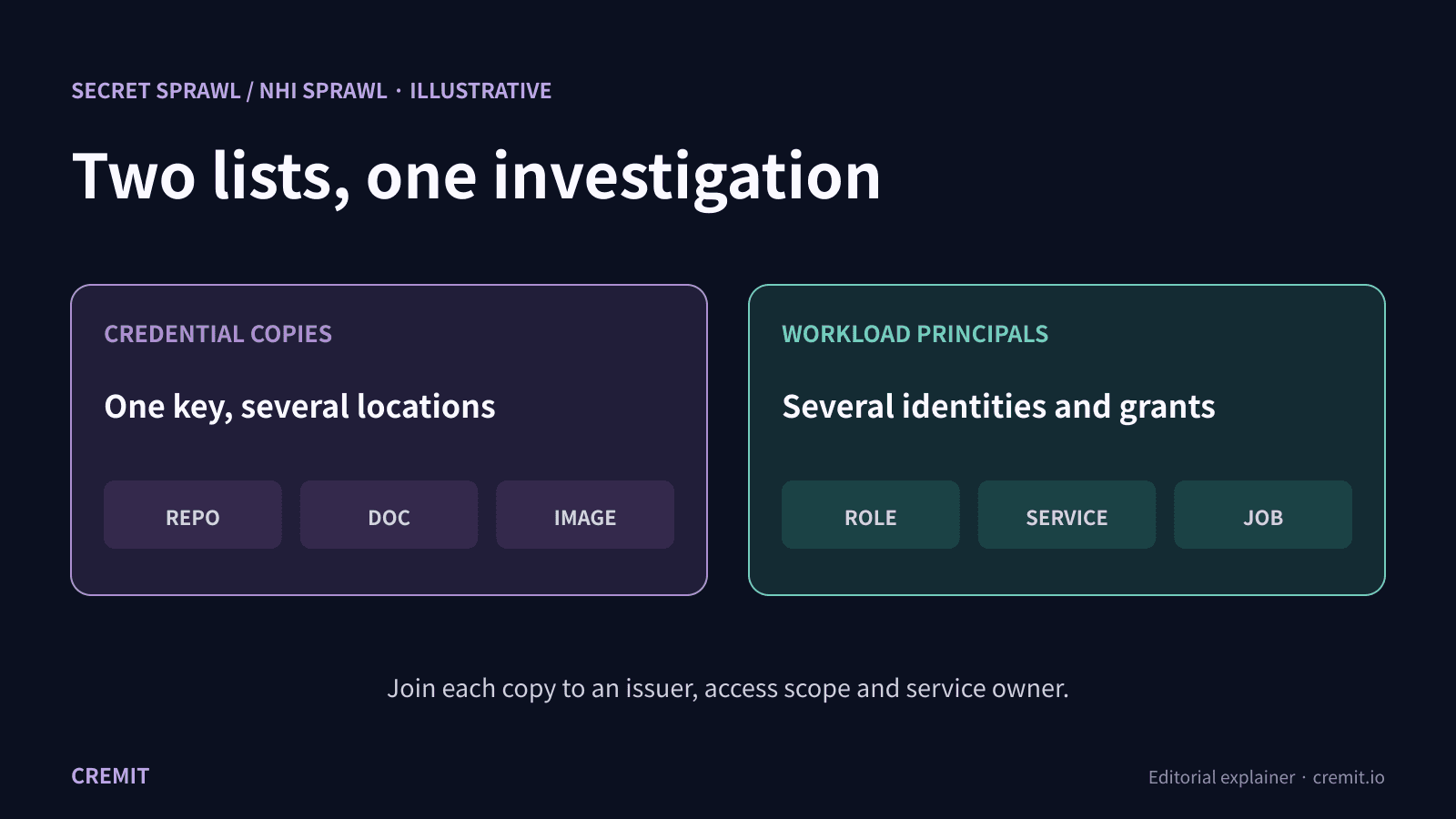
One credential can be copied to many places; many workload principals can accumulate grants. Keep separate records, then join the evidence for each investigation.

Ben Kim
Ben Kim
Security | Cremit Blog | Cremit